Why Your Hair Falls Out More in Monsoon & Winter — And How to Fix It
Every year, millions of people in India notice the same pattern — hair fall spikes during monsoon and again in winter. Most are told it is "normal" and to wait it out. The biology tells a more specific story: each season has a distinct mechanism, and each mechanism responds to a different intervention.
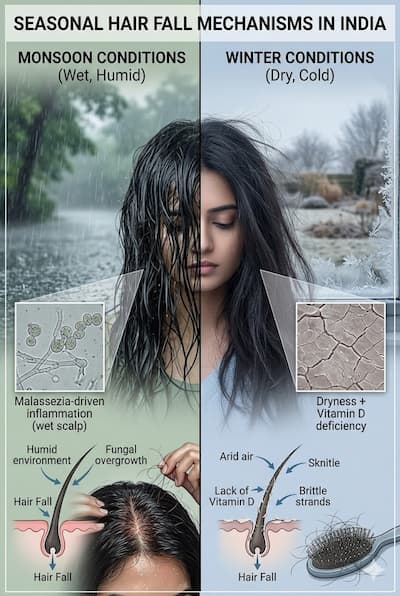
Seasonal hair loss is a documented biological phenomenon. Research on human hair cycling shows that anagen (growth phase) rates are naturally lowest in late summer globally, with a corresponding rise in telogen (resting) follicles — producing increased shedding weeks later. In India, this natural cycle is amplified twice a year by extreme environmental conditions.
During monsoon, high humidity drives Malassezia yeast overgrowth on the scalp. The scalp inflammation it produces disrupts the anagen phase, pushing follicles prematurely into telogen. The resulting telogen effluvium shows up as dramatic shedding 2–3 months after monsoon — precisely why October–November hair fall is so common.
In winter, the mechanism is different: low humidity and indoor heating deplete the scalp's moisture barrier, reduced sunlight lowers vitamin D (which regulates follicle cycling), and cold temperatures reduce scalp microcirculation — all three simultaneously impacting follicle health.
The treatments for monsoon-related and winter-related hair fall overlap but are not identical. Treating them the same way is why many seasonal hair care protocols produce inconsistent results. This guide separates the two and gives you the specific interventions for each.
⚡ Monsoon vs Winter Hair Fall — Quick Reference
| Factor | Monsoon (June–September) | Winter (November–February) |
|---|---|---|
| Primary mechanism | Malassezia overgrowth → scalp inflammation → premature telogen | Barrier disruption + reduced microcirculation + Vitamin D deficiency |
| Shedding peak | September–November (2–3 months after monsoon trigger) | January–March (2–3 months after winter onset) |
| Key trigger | Humidity + sweat + sebum = Malassezia substrate | Dry air + cold = scalp dehydration + low Vitamin D |
| Scalp feel | Oily, itchy, sometimes flaky or smelly | Dry, tight, flaky from dehydration (not always Malassezia) |
| Hair feel | Limp, frizzy, prone to breakage when wet | Dry, brittle, static-prone, breakage from friction |
| Core treatment | Antifungal scalp care; controlled washing; barrier protection | Oil moisture barrier; scalp massage for circulation; Vitamin D |
| What to avoid | Tying wet hair; heavy oils on scalp; infrequent washing | Over-washing; harsh sulfate shampoos; tight wool caps on unwashed scalp |
Why Hair Fall Has Seasonal Patterns — The Biology
Human hair follicles operate on a cyclical programme: anagen (growth, 2–7 years), catagen (transition, 2–3 weeks), and telogen (resting/shedding, 3–4 months). This cycle is influenced by environmental cues — particularly light (photoperiod), temperature, and nutritional signals. In most mammals, seasonal hair cycling is dramatic; in humans, it is subtler but measurable.
📊 The Research on Human Seasonal Hair Cycling
A study published in the British Journal of Dermatology found that human follicles show a natural peak in telogen (resting) phase in late summer/early autumn (approximately August–September), with a corresponding anagen peak in spring. The telogen follicles shed approximately 100 days after entering rest — producing a predictable shedding peak in autumn/winter globally. In India, this cycle aligns directly with the monsoon-to-post-monsoon transition, and is further amplified by the specific climate stressors of Indian monsoon conditions.
🌡️ India's Climate Amplifies Natural Cycles
India's climate extremes — the most humid period globally (June–September monsoon, 70–95% relative humidity in many regions) followed by the driest months (November–February, 30–50% relative humidity with sub-10°C temperatures in the north) — create conditions that turn a mild natural seasonal cycling into a clinically significant hair fall event. The scalp, which is exposed skin, responds directly to these humidity and temperature swings. Indian hair and scalp, typically with higher sebum production rates and Fitzpatrick III–V skin types, have heightened vulnerability to both Malassezia (monsoon) and barrier disruption (winter).
Monsoon Hair Fall — The Humidity-Scalp-Malassezia Cycle
Monsoon-related hair fall is predominantly a scalp inflammation problem. The sequence of events is specific:
🦠 Step 1: Humidity Creates Ideal Malassezia Conditions
Malassezia yeast is a normal scalp resident — present on virtually every adult scalp. It thrives in warm, lipid-rich, humid environments. During monsoon, scalp temperature increases (heat + humidity), sweat accumulates on the scalp, and sebum production often increases in response to humidity (the skin's compensatory response to moisture loss). This creates a thick lipid-rich, warm, humid substrate on the scalp surface — ideal conditions for Malassezia to overgrow its normal population threshold.
🔥 Step 2: Malassezia Triggers Scalp Inflammation
When Malassezia overgrows, it metabolises scalp lipids via lipase enzymes, releasing free fatty acids (particularly oleic acid derivatives) onto the scalp surface. These penetrate the stratum corneum and trigger an immune response — activating pro-inflammatory cytokines (IL-1β, IL-6, TNF-α) around the hair follicle. This perifollicluar inflammation is the direct cause of the hair cycle disruption that leads to monsoon hair fall.
💧 Step 3: Inflammation Disrupts the Anagen Phase
The inflammatory cytokines accumulating around follicles in an inflamed scalp environment disrupt the anagen phase signalling pathways. Follicles prematurely exit anagen and enter telogen (resting phase). The telogen-to-shed lag is approximately 100 days — which is why hair fall peaks in September–November despite the Malassezia trigger being active in June–August. The hair fall appears "delayed" relative to the season, causing many people not to connect it to the monsoon.
☀️ Step 4: Vitamin D Drop Compounds the Problem
Cloud cover during monsoon significantly reduces UV-B radiation reaching the skin — the wavelength required for cutaneous Vitamin D synthesis. Darker skin tones (Fitzpatrick III–V, common in India) already require 3–6× more UV exposure to synthesise equivalent Vitamin D compared to lighter skin. Monsoon months often produce measurable Vitamin D deficiency in urban populations, and Vitamin D receptors (VDRs) in follicle dermal papilla cells are essential for normal anagen cycling. This double effect — Malassezia inflammation + Vitamin D reduction — makes monsoon the most damaging season for hair.
✅ The 4-Week Monsoon Hair Care Protocol
Pre-Wash (2× per week)
- Apply a castor oil + neem-based oil to the scalp for 30–60 minutes before washing (antifungal actives; do not leave overnight)
- Gently massage for 3–5 minutes to emulsify the sebum-Malassezia layer
- Section hair and ensure oil reaches all scalp areas, particularly the crown and nape
Wash (every 2–3 days)
- Use an antifungal-supporting shampoo with zinc pyrithione, Tea Tree, or herbal actives (Neem, Bhringraj)
- Leave shampoo on scalp for 2–3 minutes before rinsing — contact time matters for antifungal actives
- Rinse with cool or lukewarm water — hot water increases scalp sebum production
- Never tie hair while wet — microfibre towel patting only; air-dry completely before tying
Daily Scalp Care
- Apply a lightweight leave-in serum with Redensyl or scalp-calming actives on non-wash days
- Avoid sweating with hair tied — monsoon humidity trapped under a bun is the primary Malassezia driver
- If scalp itches intensely between washes, wipe with diluted apple cider vinegar (1:4 with water) on a cotton pad
Nutrition (Monsoon-Specific)
- Supplement Vitamin D3 (1000–2000 IU daily) during monsoon months when sunlight is limited
- Reduce high-glycaemic foods during monsoon — sugar spikes increase sebum production, feeding Malassezia
- Increase zinc-rich foods (pumpkin seeds, lentils) — zinc has antifungal properties and supports follicle health
Winter Hair Fall — The Dryness-Barrier-Vitamin D Cycle
Winter hair fall has a different origin from monsoon hair fall — and treating them identically is why many people see poor results. In winter, the primary drivers are scalp barrier disruption, reduced microcirculation, and Vitamin D deficiency — not Malassezia (though dandruff can worsen in cold, dry conditions too).
❄️ Low Humidity and Scalp Barrier Disruption
Cold air holds significantly less moisture than warm air — and indoor heating dries the air further. The scalp, like all skin, loses water to the environment (transepidermal water loss, TEWL) at a rate that exceeds its natural production in low-humidity conditions. This depletes the lipid content of the stratum corneum, disrupting the scalp's natural barrier. A compromised barrier allows irritants to penetrate more easily, increases scalp sensitivity, produces dryness and flaking (separate from Malassezia-driven dandruff), and creates conditions where even gentle styling causes mechanical damage to the follicle mouth.
🩸 Cold Reduces Scalp Microcirculation
Cold temperatures cause vasoconstriction — blood vessels near the skin surface narrow to preserve core body temperature. The scalp's dermal papilla cells, which sit at the base of each follicle and control the hair growth cycle, are highly dependent on capillary blood flow for oxygen, nutrients, and growth factor delivery (IGF-1, VEGF, FGF-7). Reduced microcirculation in winter means follicles receive less of everything they need to sustain anagen. A 5-minute warm oil scalp massage increases scalp blood flow measurably for several hours — one of the most evidence-backed winter hair care interventions.
☀️ Vitamin D Deficiency Amplifies Telogen
Winter reduces sunlight exposure in India — particularly in northern states (Delhi, Punjab, UP, Rajasthan) where winter brings heavy fog and limited UV-B. Multiple clinical studies confirm that patients with telogen effluvium (the hair fall pattern most commonly associated with seasonal shedding) have significantly lower serum Vitamin D levels than controls. Vitamin D receptors in dermal papilla cells regulate the anagen–telogen switch; deficiency is associated with prolonged telogen. Blood testing for Vitamin D during winter and supplementing to optimal levels (60–80 ng/mL) is one of the most clinically supported interventions for winter hair fall.
🧢 Physical Breakage from Winter Habits
Winter introduces specific hair-breakage risks beyond the follicle level: wool caps and scarves cause friction breakage at the hair shaft, particularly at the crown and hairline; static electricity in dry air causes hair shafts to repel each other and cling to clothing, causing mechanical breakage; and reduced washing frequency in cold weather (common in India, especially in regions without hot water) allows sebum and scale buildup that can mechanically block follicle openings. These are breakage issues, not follicle issues — but they produce visible hair fall that compounds the telogen effluvium component.
❄️ The 4-Week Winter Hair Care Protocol
Pre-Wash Oil Treatment (3× per week)
- Warm the oil slightly (lukewarm, not hot) before application — warm oil penetrates the scalp barrier more effectively and the heat itself increases local blood flow
- Apply to scalp sections first, then work through lengths
- Perform a 5-minute scalp massage using firm circular motion — this is as important as the oil itself for winter circulation support
- Wrap in a warm towel for 30 minutes to enhance penetration, then wash out thoroughly
Wash (2–3× per week maximum)
- Do not skip washing to avoid cold — use warm (not hot) water; hot water strips the scalp barrier further
- Use a gentle, sulfate-free or low-sulfate shampoo to avoid stripping the already-compromised winter barrier
- Apply a leave-in conditioner or light hair mask to lengths after washing — winter breakage is primarily a hair-shaft moisture issue
- Dry hair completely before going outdoors — wet hair in cold air is more brittle and prone to breakage
Friction and Static Protection
- Line woollen caps with a satin or cotton insert — eliminates the friction-breakage mechanism
- Use a wooden or wide-tooth comb instead of plastic (reduces static buildup)
- Apply a small amount of serum to hair lengths before wearing a cap to reduce static
- Sleep on a satin pillowcase during winter months to reduce overnight friction breakage
Nutrition (Winter-Specific)
- Test serum Vitamin D levels (25-OH-D3 blood test) in October–November; supplement based on results
- Increase iron-rich foods — iron deficiency is more pronounced in winter due to reduced dietary variety in many Indian regions
- Sesame seeds (til), a traditional Indian winter food, provide both iron and Vitamin E — directly relevant to hair follicle nutrition
- Increase warm water intake — dehydration is a common and underrecognised contributor to dry scalp in winter
Month-by-Month India Hair Fall Risk Calendar
| Month | Season | Primary Hair Risk | Action Priority |
|---|---|---|---|
| March–May | Summer / Pre-monsoon | Heat + UV damage; good hair growth phase | UV protection for scalp; hydration; normal oil routine |
| June | Early Monsoon | Humidity begins → Malassezia substrate building | Switch to antifungal oil treatment; increase wash frequency |
| July–August | Peak Monsoon | Maximum Malassezia risk; Vitamin D drops from cloud cover; follicles entering telogen | Full monsoon protocol; start Vitamin D supplement; avoid wet-hair tying |
| September–October | Post-Monsoon | Telogen effluvium peaks (from June–August trigger); most dramatic visible shedding | Continue antifungal care; add growth-stimulating serum; do not panic — this is the expected shed |
| November–December | Early Winter | Temperature drop → vasoconstriction; humidity drops → barrier disruption begins | Switch to winter protocol; start warm oil massages; test Vitamin D |
| January–February | Peak Winter | Maximum dryness; Vitamin D at lowest; physical breakage from caps/static; telogen effluvium from Nov–Dec trigger | Full winter protocol; Vitamin D supplement; satin-lined cap; increase oil frequency |
| March | Recovery | Natural anagen peak begins; hair growth recovers with warmer temperatures and longer days | Growth-stimulating actives to capitalise on natural anagen peak; transition out of winter protocol |
💡 Experiencing more hair fall than usual this season? Our dermatologist can identify whether it's seasonal, nutritional, or pattern-related — and give you a targeted plan.
Book Free Consultation →Products for Year-Round Seasonal Hair Fall Protection
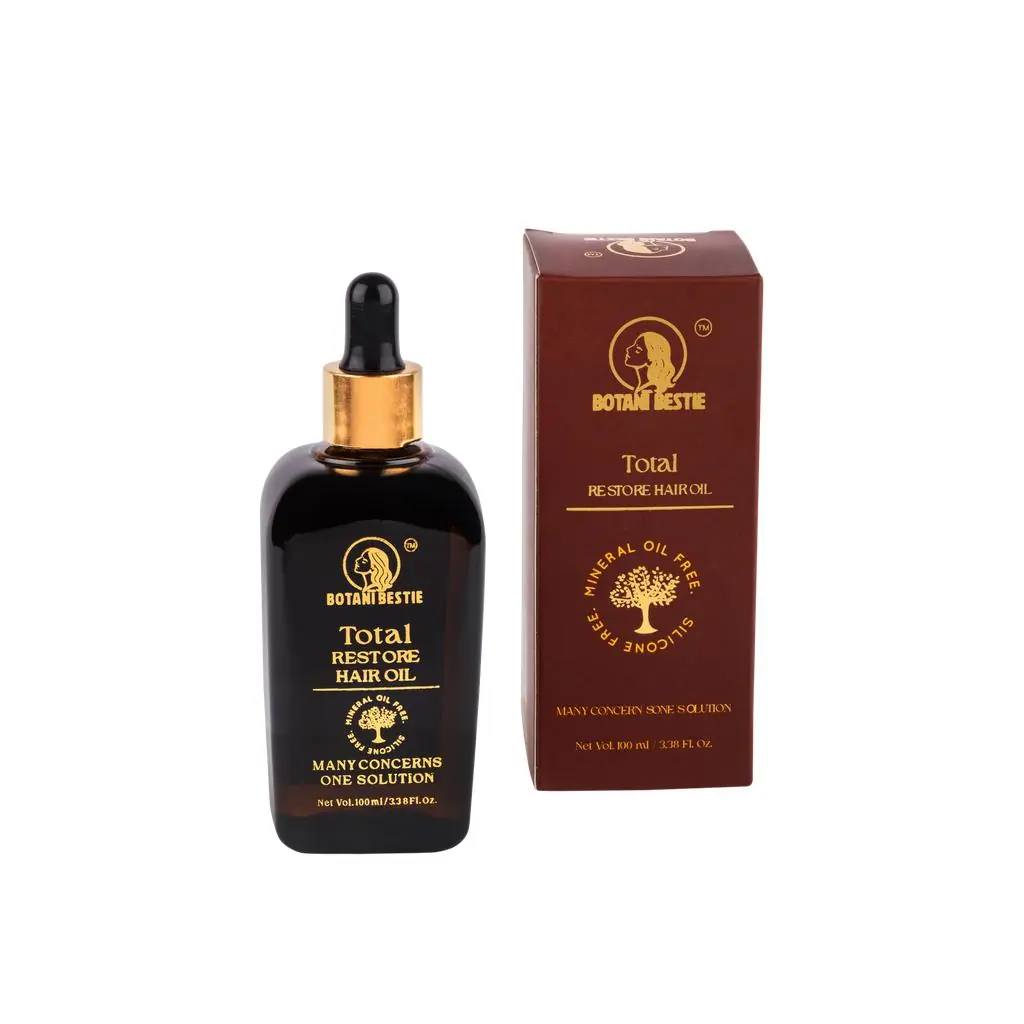
Total Restore Hair Oil
Pre-Wash Scalp Treatment — 2–3× per week
Formulated for year-round seasonal protection: castor oil (ricinoleic acid antifungal for monsoon Malassezia), Neem (dual-pathway antifungal), Bhringraj (5α-reductase + anti-inflammatory), and Amla (anagen extension + antioxidant). Sesame oil base provides winter barrier support without feeding Malassezia. No mineral oil. No synthetic fragrance.
Shop Total Restore Hair Oil →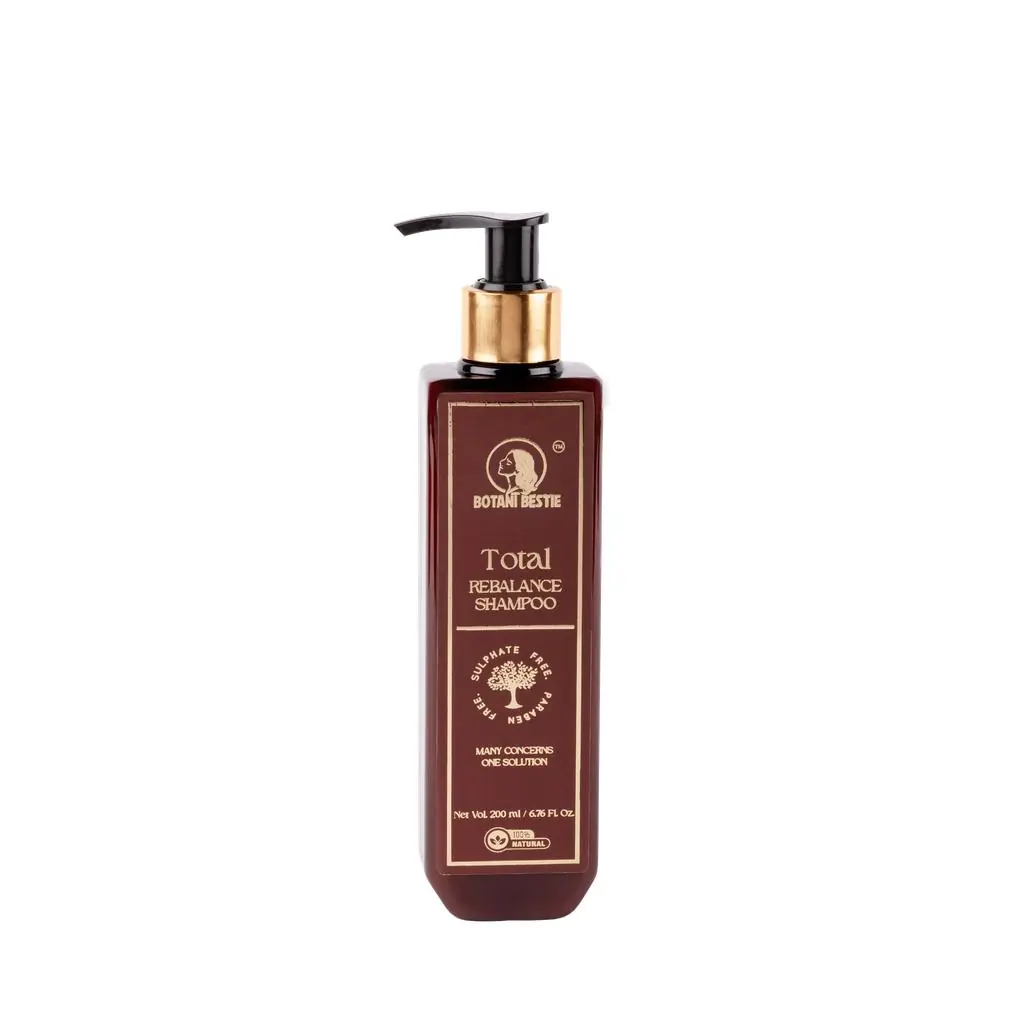
Total Rebalance Shampoo
Scalp-Balancing Cleanse — adaptable to season
Sulfate-free formulation that adjusts well to both seasonal needs: gentle enough for winter's compromised scalp barrier, while containing antifungal and microbiome-balancing actives (Neem, Bhringraj, Amla) for monsoon Malassezia control. Clinically appropriate for 2–3× per week use year-round without barrier over-stripping.
Shop Total Rebalance Shampoo →Not Sure If Your Hair Fall Is Seasonal or Something More?
Seasonal hair fall typically resolves within 2–3 months of the triggering season. If hair fall continues beyond that, shows pattern thinning (crown and parting), or is accompanied by other symptoms (fatigue, cold intolerance, irregular cycles), a dermatologist assessment to rule out thyroid, iron, or hormonal causes is appropriate. Book a free consultation with our in-house expert.
Book Free Consultation → WhatsApp UsFrequently Asked Questions
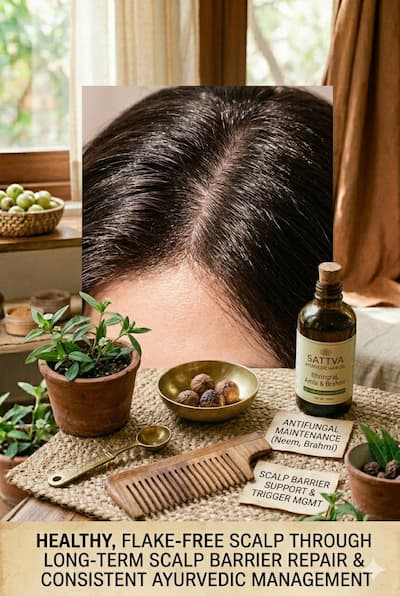
The Bottom Line: Same Body, Two Different Problems
Monsoon and winter hair fall look similar — both produce diffuse shedding and scalp discomfort — but they require different interventions. Treating winter dryness with the same antifungal-heavy protocol as monsoon (or treating monsoon Malassezia with heavy moisturising oils that feed the yeast) produces the wrong outcome.
The honest summary: in monsoon, the scalp is the problem — address Malassezia, reduce sebum buildup, and never let wet hair sit tied up. In winter, the barrier is the problem — oil more, massage more, supplement Vitamin D, and protect hair from friction. Both seasons share one intervention: growth-stimulating actives (Bhringraj, Amla, Redensyl) that keep follicles supported through the stressful period.
Seasonal hair fall is largely reversible. The follicles are intact — they are just responding to environmental stress. Remove the stress, support the cycle, and the hair follows.
Shop Total Restore Hair Oil → Free Consultation"Seasonal hair fall is your scalp signalling a specific environmental stress — treat the signal, not just the symptom."
Ready to make the honest switch?
Our products are built on the same principles as every article we write — pure ingredients, real results, nothing to hide.
Explore Our Products