Foods for Glowing Skin — The Honest Indian Diet Guide (2026)
You can layer the best serums on the planet and still wonder why your skin looks tired. Here's the part the beauty industry under-sells: skin is built from within. Every cell of your complexion is made from what you eat, fed by your bloodstream, and shaped by your gut. This is the desi-food-specific guide to eating for clear, radiant skin — what genuinely works, and what's just marketing.
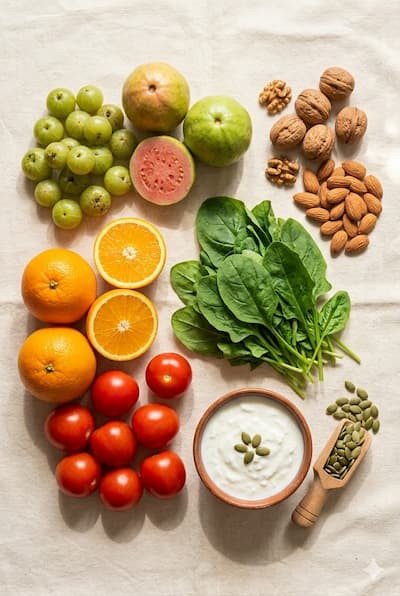
For years, dermatology insisted diet had little to do with skin. That position has quietly reversed. The evidence connecting what we eat to acne, dullness, barrier strength and even ageing is now substantial — and for India, where diets are heavy on rice, sweets and refined carbohydrates yet frequently short on protein, healthy fats and antioxidants, it's especially relevant.
This is not a "10 magic superfoods" list. No single food creates glow. What creates glow is a pattern — antioxidant-rich, protein-adequate, healthy-fat-sufficient, low in refined sugar — sustained long enough for your skin to rebuild itself on better raw materials. And just as importantly, a gut healthy enough to keep inflammation low.
We'll cover the nutrients that matter, the Indian foods that deliver them, the gut-skin connection, the sugar-and-dairy question every Indian asks, and an honest timeline. You can't out-serum a bad diet — so let's fix the plate.
⚡ Eat-for-Skin — Quick Reference (Indian Diet)
| What it does for skin | Nutrient | Best Indian sources |
|---|---|---|
| Brightening, collagen, antioxidant defence | Vitamin C | Amla (highest), guava, orange, lemon, tomato, bell pepper |
| Barrier, anti-inflammatory, supple skin | Healthy fats / Omega-3 | Walnuts, flaxseed (alsi), almonds, ghee (moderate), fatty fish |
| Collagen building blocks, repair, healing | Protein | Dal + rice, paneer, curd, eggs, rajma, chana, soya |
| Acne control, healing, oil regulation | Zinc | Pumpkin seeds, sesame (til), cashews, chana, eggs |
| Even tone, sun-damage defence, glow | Antioxidants & carotenoids | Carrots, tomatoes, spinach, beetroot, berries, green tea, turmeric |
| Calm, clear, less reactive skin | Fibre & probiotics (gut) | Curd, fermented foods, whole grains, vegetables, fruit |
| ↓ Reduce: drives acne, dullness, glycation | Refined sugar & high-GI carbs | White rice/bread, sweets, sugary drinks, refined snacks |
How What You Eat Becomes How You Look
Skin is your largest organ and one of your most metabolically active. The visible surface — the part you treat with serums — is dead cells; the living action is underneath, where new cells are constantly built, collagen is woven, the barrier is maintained, and oxidative damage is repaired. Every bit of that construction work uses raw materials delivered by your bloodstream from your last few meals.
Feed that machinery well and it shows: a strong barrier holds moisture (the literal basis of "glow"), abundant antioxidants neutralise the free radicals that dull and age skin, adequate protein and Vitamin C build firm collagen, and balanced blood sugar keeps inflammation low. Starve it — of protein, of healthy fats, of antioxidants — or flood it with refined sugar, and the skin turns dull, slow to heal, reactive, and breakout-prone. This is the same logic as our hair guide, Foods for Hair Growth: surface treatments work best on a well-nourished foundation.
"Glow" is mostly two measurable things
Strip away the marketing and skin "glow" comes down to (1) a well-hydrated, intact barrier that reflects light evenly, and (2) low oxidative and inflammatory load so skin isn't dull, sallow or irritated. Diet influences both, directly. That's why "eat your way to glowing skin" isn't a slogan — it's barrier nutrients plus antioxidants doing visible work.
The Skin Nutrients That Actually Matter
Vitamin C — the glow nutrient
Essential for collagen synthesis and a potent antioxidant that fights UV and pollution damage and supports an even tone. India is blessed here: amla has among the highest Vitamin C content of any food on earth, alongside guava, citrus, tomato and bell pepper. The same nutrient you pay for in a serum, you can also eat daily. See Vitamin C for skin and amla.
Healthy fats — the barrier nutrient
The skin barrier is built from lipids; without dietary fats it can't hold moisture, and skin turns dry, flaky and dull. Omega-3s are also anti-inflammatory, calming acne and redness. Sources: walnuts, flaxseed (alsi), almonds, a moderate amount of ghee, and fatty fish (mackerel, sardines) for direct EPA/DHA. Strict vegetarians lean on alsi and walnuts, or algal oil. Helps everyone, especially dry/barrier-compromised skin.
Protein — the repair nutrient
Collagen, elastin and the structural proteins of skin are all made from dietary amino acids. Chronic under-eating of protein — extremely common in Indian vegetarian diets — means slower healing, weaker structure and duller skin. Combine plant proteins (dal + rice, rajma + roti) for complete amino acids; add paneer, curd, eggs. See the protein detail in Foods for Hair Growth.
Zinc & antioxidants — the clarity nutrients
Zinc regulates oil, supports healing and has a real role in acne control (pumpkin seeds, til, cashews, chana, eggs). Carotenoids and polyphenols from colourful produce — carrots, tomatoes, spinach, beetroot, berries, green tea and turmeric — defend against the oxidative stress that causes dullness and pigmentation. "Eat the rainbow" is genuinely good skin advice.
The Gut-Skin Connection — Glow Starts in the Belly
One of the most important shifts in skin science is the recognition of the gut-skin axis: your digestive health and your complexion are intimately linked. Your gut hosts trillions of microbes that regulate inflammation and immune signalling throughout the body — including at the skin. When that ecosystem is disrupted (by a low-fibre, high-sugar diet, chronic stress or repeated antibiotics), the resulting low-grade inflammation can surface as breakouts, redness and a dull, reactive complexion.
The reverse is equally true: a diet rich in fibre, fermented foods and diverse plants supports a healthier microbiome and is associated with calmer, clearer skin. Strikingly, this mirrors a 3,000-year-old Ayurvedic idea — that agni (digestive fire) is the root of healthy skin, and that good skin begins with good digestion. Modern microbiome science is, in effect, rediscovering it. Read more in The Gut-Skin-Mind Axis.
Feed your gut, clear your skin
- Probiotics: curd/dahi (the everyday Indian probiotic), buttermilk, fermented foods like idli/dosa batter, pickles in moderation.
- Prebiotic fibre: whole grains, legumes, vegetables, fruit, onions, garlic — the food your good microbes feed on.
- Diversity: a wide range of plant foods builds a robust microbiome. Variety beats any single "gut superfood."
- Reduce: excess refined sugar and ultra-processed food, which feed the wrong microbes and drive inflammation.
💡 Persistent acne or dullness despite a good diet and routine? Our skin expert can find what's actually driving it — free.
Book Free Skin Consultation →The Sugar & Dairy Question Every Indian Asks
This is where diet has its strongest, best-evidenced effect on skin — and it's about what to reduce, not add.
High-glycaemic foods & acne
White rice, white bread, sweets, sugary drinks and refined snacks spike blood sugar → insulin and IGF-1 rise → sebum and inflammation increase → acne. This is the single most robust diet-acne link, and it's especially relevant in India where refined carbs and sweets are dietary staples.
Practical fix: swap some white rice for hand-pounded/brown rice or millets, pair carbs with protein and fibre to blunt the spike, and treat sweets as occasional rather than daily. You don't have to eliminate — reducing makes a visible difference.
The dairy nuance
Several studies associate dairy — particularly skimmed milk — with acne, likely via its hormonal content and effect on insulin signalling. But the effect varies a lot between individuals, and fermented dairy like curd may behave differently (and benefits the gut).
Practical approach: don't cut dairy reflexively. If you have stubborn acne, try reducing milk for 6–8 weeks and observe your skin — it's personal. Keep gut-friendly curd. See Hormonal Acne.
Glycation — why sugar dulls and ages skin
Beyond acne, chronic excess sugar drives glycation: sugar molecules bind to collagen, stiffening it and making skin less elastic and more dull and prone to fine lines. It's a slow, cumulative process — one more reason the highest-impact skin-diet change for most Indians is simply less refined sugar.
Hydration, Myths & the Honest Bits
Inside & Out — Pairing Diet with the Right Cleanse
Eating for your skin builds the foundation; a gentle topical routine protects and supports it from the outside. The two together — not either alone — are what produce lasting clarity and glow. The non-negotiable first step is a cleanser that respects your barrier rather than stripping it.
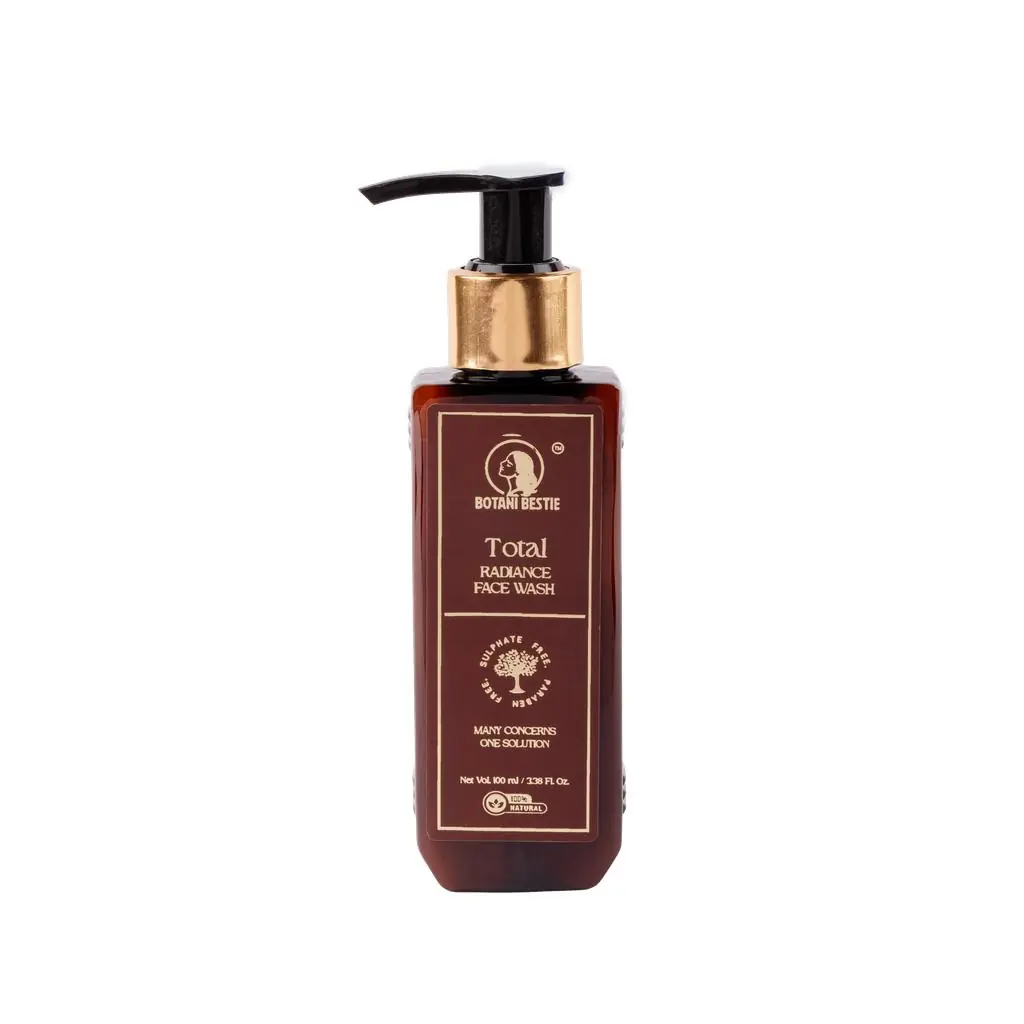
Total Radiance Face Wash
The Topical Half of the Equation
A diet rich in antioxidants and healthy fats strengthens your barrier from within — and a gentle, non-stripping cleanser preserves it from without. Total Radiance clears sweat, sebum, pollution and sunscreen without leaving skin tight or irritated, so the glow you're building through better eating actually shows. Pair it with daily sunscreen and a skin-smart plate, and you've covered inside and out.
Shop Total Radiance Face Wash →Glow From Within — and Get the Routine Right Too
Diet is half the story. If acne, dullness or sensitivity persists despite eating well, our skin expert reviews diet, routine and possible internal causes together and builds a plan for your skin. No purchase required.
Book Free Skin Consultation → WhatsApp UsFrequently Asked Questions
The Bottom Line — Build the Glow From Within
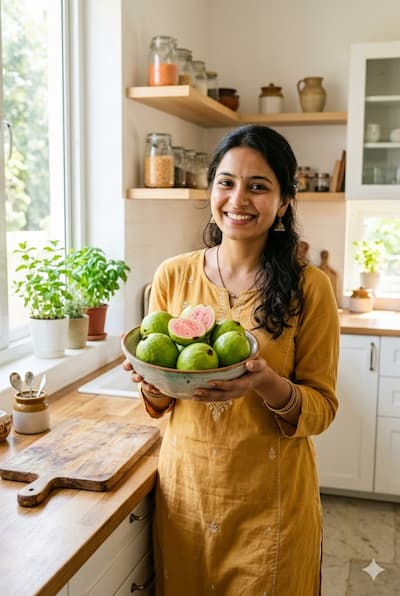
Your complexion is a slow-motion reflection of how you've been eating for the past month or two. No serum can fully compensate for a diet short on protein, healthy fats and antioxidants and heavy on refined sugar — and no superfood creates glow on its own. What works is a pattern: colourful, antioxidant-rich produce; enough protein and healthy fats; a gut fed with fibre and fermented foods; and meaningfully less refined sugar.
Do that consistently, give your skin a full renewal cycle or two to respond, and pair it with a gentle routine and daily sunscreen. The glow that follows isn't bought in a bottle — it's grown from your plate, and it lasts.
Shop Total Radiance Face Wash → Build Your Routine"You can't out-serum a bad diet. The best glow is grown on the plate, then protected by the routine."
Ready to make the honest switch?
Our products are built on the same principles as every article we write — pure ingredients, real results, nothing to hide.
Explore Our Products