Scalp Health: The Complete Guide to a Healthy Scalp — Because the Soil Grows the Crop (2026)
You can buy every serum on the shelf, but you cannot grow strong hair from inflamed, congested, neglected skin. The scalp is living skin — with its own barrier, microbiome, and oil glands — and it is the single biggest variable in hair health that almost nobody actually treats. This is the complete guide to getting the soil right.
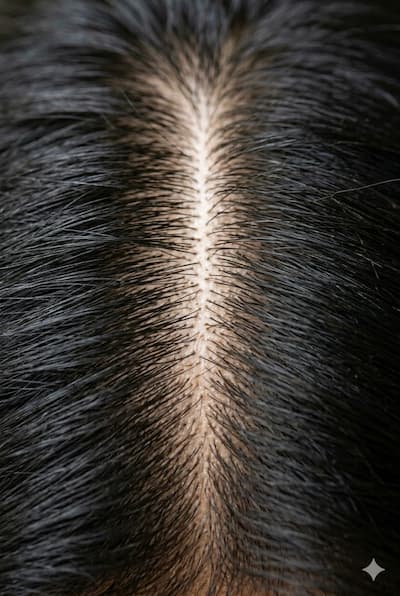
We obsess over the lengths — masks, serums, the right brush — and ignore the only part of our hair that is actually alive: the scalp. The hair shaft is dead protein. The scalp is skin, with everything that implies — a barrier that can be damaged, a microbiome that can fall out of balance, oil glands that can over- or under-produce, and a blood supply that feeds every follicle.
Think of it the way a gardener thinks about soil. You don't fix a struggling crop by polishing the leaves; you fix the soil. Almost every common hair complaint — thinning, dullness, slow growth, itch, flaking, fall — traces back through the scalp. Get the scalp right and the hair, remarkably often, sorts itself out.
This guide covers what a healthy scalp actually is, what throws it off, and exactly how to restore and maintain it — and links you to the detailed deep-dives for each specific issue.
⚡ Scalp Issues — Quick Diagnosis & Where to Go Deeper
| Symptom | Most likely cause | First move | Deep dive |
|---|---|---|---|
| Dry white flakes, mild itch | Dandruff (Malassezia + sebum) | Anti-fungal/clarifying wash, don't over-oil | Dandruff & hair fall |
| Greasy yellow scales, redness, stubborn | Seborrheic dermatitis | Treat as inflammation, not just flakes | Seb derm vs dandruff |
| Oily within hours, limp roots | Sebum over-production / over-stripping rebound | Balanced cleansing, stop harsh sulfates | Oily scalp |
| Heavy, coated, dull even after washing | Product / hard-water buildup | Periodic scalp detox / clarify | Scalp detox |
| Recurrent itch, sensitivity, "nothing works" | Disrupted microbiome / barrier | Stop stripping, rebuild balance | Scalp microbiome |
| Crunchy/squeaky after wash, tightness | Hard water mineral deposit | Chelating wash / filtered rinse | Hard water & hair fall |
| Shedding alongside any of the above | Scalp-driven hair fall | Treat scalp first, then hair | Hair fall master guide |
What a Healthy Scalp Actually Is
A healthy scalp is, more than anything, unremarkable — it doesn't itch, burn, flake, smell, or demand your attention. Underneath that calm are four systems working in balance:
🛡️ The barrier & acid mantle
Like facial skin, the scalp has a protective barrier and a slightly acidic surface (pH ~4.5–5.5) that keeps moisture in and irritants and the wrong microbes out. Harsh, alkaline, sulfate-heavy shampoos strip this — leaving the scalp reactive, dry-yet-oily, and prone to itch.
🦠 The microbiome
A balanced community of bacteria (Cutibacterium, Staphylococcus) and yeast (Malassezia) regulates oil and defends the surface. Most scalp problems are this ecosystem tipping out of balance — usually Malassezia overgrowth feeding on excess sebum.
💧 Sebum regulation
Sebaceous glands produce sebum to lubricate and protect. The right amount conditions; too much congests follicles and feeds yeast; too little leaves the scalp tight and flaky. Balance — not elimination — is the target.
🩸 Microcirculation
Each follicle is fed by a tiny capillary network delivering oxygen and nutrients. Good blood flow supports the growth phase; this is the real mechanism behind why gentle scalp massage helps.
The Scalp Microbiome — The Part Everyone Ignores
This is the most important and least understood idea in scalp care. Your scalp is not meant to be sterile — it is a living ecosystem, and trying to "deep clean" it into sterility backfires. A balanced microbiome keeps the bad actors in check; a disrupted one lets them take over.
The Malassezia story (a.k.a. why you have dandruff)
Malassezia is a yeast that lives on nearly every adult scalp, feeding on sebum. In balance, it's harmless. But when sebum is abundant and the environment shifts, it overgrows and breaks down sebum into irritating fatty acids (like oleic acid) that inflame the scalp and accelerate skin-cell turnover — producing the flaking, itch and redness of dandruff and, in stronger form, seborrheic dermatitis. This is why heavy oiling can worsen dandruff: you're feeding the yeast.
What disrupts the microbiome and barrier:
- Harsh sulfate shampoos & over-washing — strip the acid mantle, trigger rebound oil, and wipe out protective microbes along with the bad. See harmful ingredients in shampoo.
- Heavy buildup — product residue, dry-shampoo, hard-water minerals and stale sebum create a film that changes the surface environment. See scalp detox.
- Chronic stress & poor sleep — alter sebum and immune signalling at the scalp. See sleep & hair.
- Over-oiling a yeast-prone scalp — well-intentioned, but adds fuel.
Restoring balance is less about adding products and more about stopping the damage and using gentle, pH-appropriate cleansing. Full method: Restore Your Scalp Microbiome Naturally.
Cleansing — The Single Most Important Scalp Habit
More scalp problems come from wrong washing than from any other cause. Two failure modes dominate: washing too aggressively (stripping the barrier, triggering rebound oil), and washing too rarely or too gently (letting sebum, sweat and buildup congest follicles and feed yeast). Both end in the same place — an itchy, flaky, oily scalp.
Get cleansing wrong →
- Sulfate shampoos that squeak and tighten = stripped barrier
- "My scalp is oily so I'll wash harder" → rebound over-production
- Skipping washes to "train" the scalp → buildup, flaking, yeast
- Only shampooing the lengths, never massaging the scalp
- Scalding hot water → barrier damage and irritation
Get cleansing right →
- Gentle, sulfate-free, pH-balanced shampoo
- Wash frequency matched to your scalp (see below), not a rule
- Focus lather on the scalp, let runoff clean the lengths
- Massage with fingertips (not nails) for 60 seconds
- Lukewarm water; rinse thoroughly to leave no residue
How often should YOU wash?
Oily scalp: every 1–2 days — under-washing is what makes it flaky, not over-washing.
Normal scalp: 2–3× a week.
Dry scalp: 1–2× a week with a gentle, non-stripping cleanser. Adjust for heat, sweat, pollution and workouts. The right number is the one that leaves your scalp comfortable and clean for the gap between washes — read Oily Scalp Treatment if you can't find yours.
Scalp Oiling — Done Right, and Honestly
Oiling is the heart of Indian hair tradition, and it has real benefits — but it is also widely misapplied. Here is the honest version.
When oiling helps
- Dry, Vata-type or normal scalps: a pre-wash oil massage conditions the scalp skin, reduces moisture loss, calms tightness, and improves comfort.
- Microcirculation: the massage itself — more than the oil — stimulates blood flow to follicles. See scalp massage for hair growth.
- Delivering actives: a well-formulated oil carries herbs like bhringraj and amla to the scalp.
- Protecting the lengths: pre-wash oiling reduces hygral fatigue and breakage during washing.
When oiling backfires
- On a dandruff-prone or seborrheic scalp — feeds Malassezia and worsens flaking
- On an oily, congested scalp — adds to the congestion
- Leaving oil on for days — traps dirt and yeast against the skin
- Using it as a leave-in on the scalp rather than pre-wash
Best practice for most: oil the scalp as a pre-wash treatment for 30–60 minutes (not overnight every day), massage gently, then cleanse it out. Full method: The Right Way to Oil Your Scalp and the Ayurvedic Hair Care Routine.
💡 Itch, flakes or oiliness that won't quit? Get a personalised scalp assessment from our dermatologist — free.
Book Free Consultation →How Scalp Health Decides Hair Fall & Growth
The connection is not vague wellness-speak — it's mechanical. A chronically inflamed scalp (from dandruff, seborrheic dermatitis, or barrier damage) bathes the follicle in oxidative stress and inflammatory signals that can shorten the growth phase and weaken the hair it produces. A congested follicle opening physically impedes the emerging shaft. Poor microcirculation under-feeds the root. None of this is genetic or hormonal — it's environmental, and it's fixable.
Your Weekly Healthy-Scalp Routine
Supporting a Healthy Scalp — Gently
Scalp care is mostly about removing harm — harsh surfactants, buildup, congestion — rather than piling on products. Our scalp-facing duo is built on that principle: cleanse without stripping, and support the follicle environment without feeding the problem.
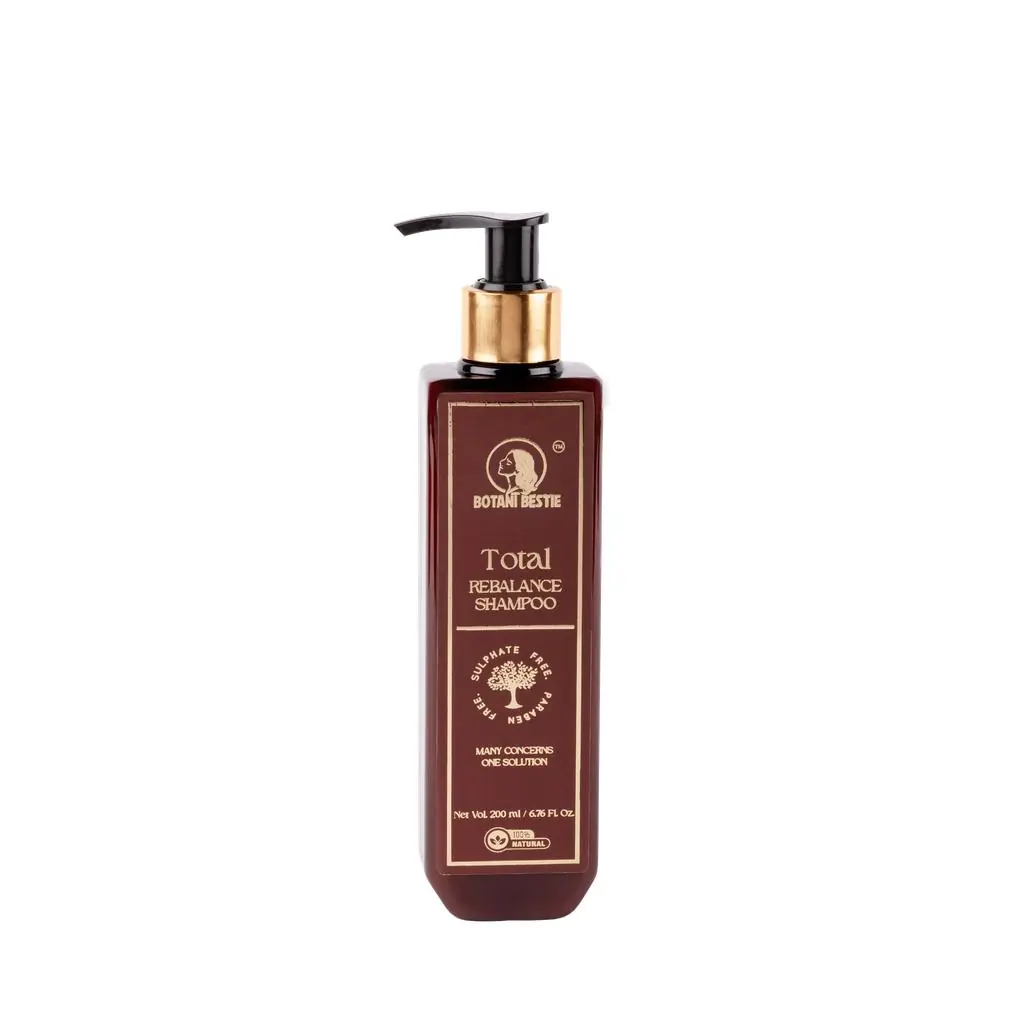
Total Rebalance Shampoo
Sulfate-Free Daily-Gentle Cleanser
The name is the philosophy: cleanse the scalp without stripping the acid mantle that keeps the microbiome in balance. A gentle, pH-considerate, sulfate-free formula that clears excess sebum, sweat and buildup while leaving the barrier intact — the cornerstone habit of every healthy-scalp routine. Pair with periodic clarifying for buildup-prone scalps.
Shop Total Rebalance Shampoo →
Total Restore Hair Oil
Pre-Wash Scalp Oil — for dry/normal scalps
For scalps that benefit from oiling (dry/normal, not dandruff-prone), a pre-wash massage oil carrying bhringraj and amla to condition the scalp skin, support microcirculation, and protect the lengths during washing. Used as a 30–60 minute pre-wash ritual, then cleansed out — never left to sit for days.
Shop Total Restore Hair Oil →Not Sure What Your Scalp Needs?
Itchy, oily, flaky, or just not growing the hair it used to? Our dermatologist assesses your scalp, identifies whether it's dandruff, seborrheic dermatitis, buildup, barrier damage or something else, and gives you a clear routine. No purchase required.
Book Free Scalp Consultation → WhatsApp UsFrequently Asked Questions

The Bottom Line — Fix the Soil First
The scalp is the one living part of your hair, and it's the part most people never deliberately care for. Get the fundamentals right — gentle pH-balanced cleansing at the frequency your scalp actually needs, a microbiome you support rather than strip, oiling matched to your scalp type, and periodic clarifying — and the vast majority of everyday scalp complaints quietly resolve.
More importantly, you build the foundation that every other hair effort depends on. A serum, a diet fix, a growth active — none of them perform on inflamed, congested, neglected skin. Treat the soil, and the crop follows.
Shop Total Rebalance Shampoo → Next: Hair Fall Guide"You can't polish a crop into health. Fix the soil, and the hair takes care of itself."
Ready to make the honest switch?
Our products are built on the same principles as every article we write — pure ingredients, real results, nothing to hide.
Explore Our Products