Salicylic Acid for Acne — The Complete Science-Backed Guide (2025)
Salicylic acid is the most recommended OTC acne ingredient in the world. But most people use it at the wrong concentration, in the wrong format, or without the right supporting ingredients — and then wonder why it isn't working. Here is everything you actually need to know.
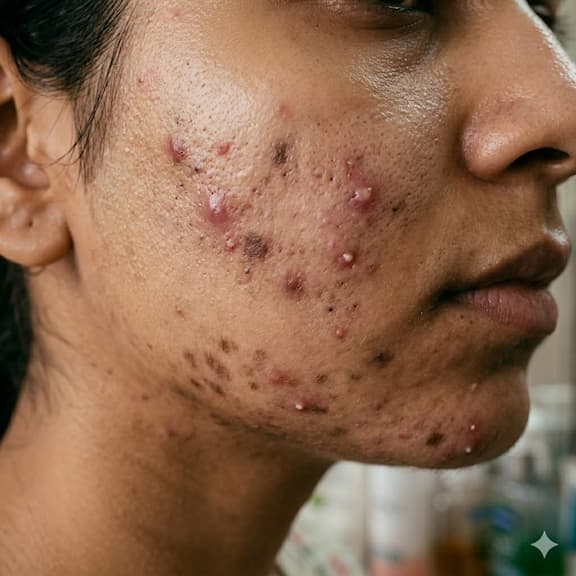
Acne affects an estimated 85% of people at some point in their lives — and in India, the combination of heat, humidity, hormonal patterns, and pollution makes it one of the most persistent and emotionally difficult skin conditions to manage. The psychological impact is real: acne is linked in multiple studies to anxiety, reduced self-confidence, and in severe cases, depression.
Salicylic acid (SA) has been used for decades as a first-line topical treatment for acne — and for good reason. It is the only widely available OTC ingredient that is oil-soluble, meaning it penetrates into the pore lining itself rather than working on the skin surface. This gives it a mechanical advantage over most acne actives.
But understanding salicylic acid deeply — why it works, which concentration is right for you, what to combine it with, what to avoid, and what realistic results to expect — dramatically improves outcomes. This guide covers all of it, using the most current clinical evidence including a 2025 PMC prospective trial and the 2024 American Academy of Dermatology acne management guidelines.
💡 What Type of Acne Do You Have?
Salicylic acid works differently across acne types. Identify yours below — each has its own targeted section in this guide:
👉 Each section below includes targeted ingredient and routine recommendations for your acne type.
What is Salicylic Acid — And Why is it Different from Every Other Acne Ingredient?
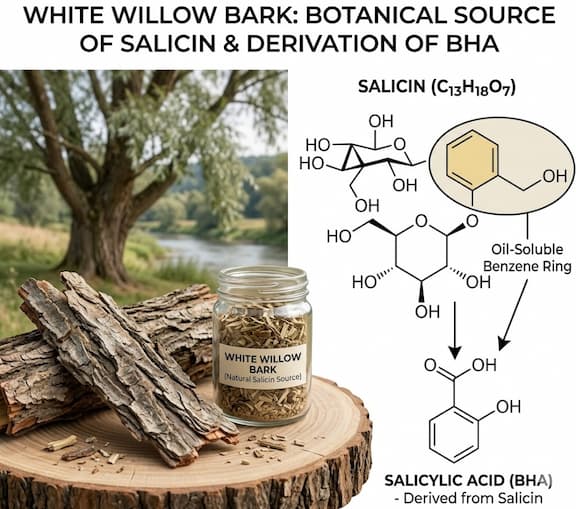
Salicylic acid is a beta-hydroxy acid (BHA) derived from salicin, a compound found in willow bark — the same botanical source as aspirin. This origin is not incidental: SA shares aspirin's anti-inflammatory properties, contributing to its effectiveness against inflamed acne beyond exfoliation.
The property that makes salicylic acid uniquely powerful for acne is that it is oil-soluble (lipophilic). AHAs like glycolic acid are water-soluble — they work on the skin surface. Salicylic acid dissolves in sebum and travels deep inside the pore lining — reaching the exact environment where comedones form. No other widely available OTC acne ingredient reaches this depth.
| Chemical class | Beta-hydroxy acid (BHA) |
| Natural source | Willow bark (Salix alba) |
| Key property | Oil-soluble — penetrates inside the pore lining |
| Primary action | Comedolytic, keratolytic, anti-inflammatory |
| Optimal OTC range | 0.5–2% (face wash); 1–2% (leave-on) |
| AAD Guideline status | Conditionally recommended — 2024 AAD Acne Guidelines |
| Best acne type | Comedonal + mild-to-moderate inflammatory acne |
How Salicylic Acid Works — 4 Mechanisms Explained
Salicylic acid addresses acne through four interconnected biological pathways — which is why it remains relevant even as newer prescription treatments emerge:
Best for: Blackheads and whiteheads
A comedone forms when a pore becomes blocked with dead skin cells, excess sebum, and sometimes Cutibacterium acnes bacteria. In a blackhead (open comedone), this plug oxidises and turns dark. In a whitehead (closed comedone), the pore stays sealed, trapping contents beneath.
Salicylic acid's oil-solubility allows it to dissolve directly into this sebum-and-debris plug — breaking apart the bonds between the dead keratinocytes that form the blockage. This is called comedolytic action: dissolving the comedone from within, not just exfoliating the surface above it.
The 2024 Journal of Cosmetic Dermatology multicenter RCT found that 2% supramolecular salicylic acid normalised the microbial communities associated with acne patients — confirming SA's pore-clearing action restores a healthier follicular environment, not just physically removes blockages.
Best for: Papules, pustules, inflamed breakouts
SA's structural similarity to aspirin gives it genuine anti-inflammatory properties. Research confirms it inhibits pro-inflammatory cytokine IL-6 production in keratinocytes, reducing the inflammatory cascade that turns a blocked pore into a painful red pimple. Studies found SA treatment upregulated caveolin-1 and decreased IL-1α, IL-6, IL-17, TGF-β, and TLR-2 in skin tissue — a broad-spectrum anti-inflammatory profile.
The 2025 PMC prospective trial confirmed a 6.67% IGA acne severity reduction measurable from Day 2 of use — meaning anti-inflammatory effects are noticeable within 48 hours of the first application.
Best for: Post-acne dark spots (PIH), uneven texture
Beyond the pore, SA acts as a keratolytic agent — dissolving the protein bonds holding dead skin cells together, accelerating natural shedding. This removes the outermost layer of pigmented dead cells, bringing less pigmented cells to the surface faster than the skin's natural 28-day cycle. Clinical studies show 52% improvement in skin texture after 3 weeks of consistent use. A 2024 systematic review confirmed SA is preferable to glycolic acid for treating mild and moderate post-acne PIH in darker skin tones.
For deep or persistent dark marks, Niacinamide provides more targeted pigmentation control by blocking melanin transfer at the cellular level. See our Niacinamide guide →
Best for: Hormonal / adult acne, oily acne-prone skin
Recent studies found SA treatment may regulate the SREBP-1 pathway — a key regulator of lipid synthesis in sebocytes — suggesting it not only clears existing sebum from pores but may reduce new sebum production. The 2025 PMC clinical trial provided the most precise measurement to date: sebum levels decreased progressively from Day 2 through Day 21, with a cumulative 23.65% reduction in sebum production (177.63 µg/cm² at baseline to 135.62 µg/cm² at Day 21). This cumulative reduction helps explain why SA becomes more effective over time — it progressively reduces the raw material for new comedone formation.
For hormonal acne specifically: SA addresses the surface manifestation but not the hormonal trigger. Combining SA with Niacinamide and Zinc PCA delivers the most comprehensive approach for cycle-related or stress-driven breakouts.
💡 Want Salicylic Acid + Niacinamide + Aloe Vera in one clean, pH-balanced formula designed for Indian acne-prone skin?
See Total Radiance Face Wash →The Clinical Evidence — What Studies Actually Show
Salicylic acid is among the most studied topical acne ingredients. Here is a focused summary of the most current and relevant research:
| Study | Design | Key Finding | Strength |
|---|---|---|---|
| Liu et al., 2025 PMC / Journal of Cosmetic Dermatology |
Prospective, 42 participants, 21 days, twice daily SA gel | 23.81% IGA acne severity reduction; 23.65% sebum reduction; 49.26% TEWL reduction (barrier strengthening); 40.5% hydration increase; 100% participant satisfaction; only 5% mild transient itching | High — human RCT, 2025 |
| Ye et al., 2024 Journal of Cosmetic Dermatology — multicenter RCT |
Randomised, evaluator-blind, 2% SA hydrogel vs Adapalene | 2% SSA comparable to prescription Adapalene for non-inflammatory lesions; normalised acne-associated microbial communities; significantly better tolerability | High — multicenter RCT vs prescription |
| AAD 2024 Guidelines JAAD — Reynolds et al. |
Evidence-based clinical guideline | Salicylic acid conditionally recommended for acne vulgaris management; recommended as part of multimodal therapy combining multiple mechanisms of action | High — international clinical standard |
| Nafila et al., 2024 MAGNA MEDIKA — systematic review |
Systematic review, 2010–2020 studies | SA clinically beneficial for mild-to-moderate acne vulgaris; preferable to glycolic acid for non-inflammatory lesions and PIH in darker skin tones | Moderate — systematic review |
| Shao et al. / Klebeko et al. Mechanistic studies |
In vitro / cell studies | SA inhibits pro-inflammatory cytokines IL-6, IL-1α, IL-17; upregulates caveolin-1; SREBP-1 pathway regulation confirmed (sebum reduction at cellular level) | Moderate — mechanistic |
Myth vs. Truth — What Most People Get Wrong About Salicylic Acid
| Common Myth | The Scientific Truth |
|---|---|
| More SA = better results | The effective OTC range is 0.5–2%. Above 2% provides minimal extra benefit and increases dryness risk. Consistency matters more than concentration. |
| SA dries out skin — don't moisturise after | The 2025 PMC trial found 40.5% increased hydration and 49.26% reduced TEWL with SA use. Always moisturise after — it is essential, not optional. |
| Initial purging means it isn't working | Mild purging (1–2 weeks of temporary increase in small comedones surfacing) is normal as SA clears deep blockages. Severe breakouts beyond 4 weeks suggest the formula is not right for your skin. |
| Salicylic acid is only for teenagers | Adult acne affects 43–51% of individuals. SA is equally effective for adult and hormonal acne — the pore-clearing and sebum-regulating mechanism is relevant regardless of age. |
| SA and Niacinamide cannot be used together | These two are one of skincare's best-studied complementary pairings. SA clears pores; Niacinamide regulates sebum and prevents PIH. They work on different targets and compound each other's results. |
The Right Concentration — How to Choose for Your Skin
Salicylic acid products range from 0.5% to 30%. The right concentration depends on the product format and your skin's tolerance:
0.5–1%
Gentle start
Best for: sensitive skin, combination skin, first-time SA users, mild blackheads. Lower irritation risk. Start here if your skin is reactive or easily irritated.
2%
Optimal OTC concentration
Best for: moderate blackheads, active papules, oily acne-prone skin, regular maintenance. Used in the majority of clinical trials — fastest visible results at this level.
20–30%
Dermatologist peel only
Best for: moderate-to-severe acne, deep comedones, acne scarring. Trained professional only — requires neutralisation and professional aftercare. Never self-apply.
Salicylic Acid by Acne Type — Targeted Recommendations
🔵 Blackheads & Whiteheads (Comedonal Acne)
The most targeted OTC treatment for this type. Use 2% SA face wash twice daily focused on the nose, chin, and forehead. Complement with an evening BHA leave-on treatment.
Key combination: SA 2% + Niacinamide (prevents new comedone formation by regulating sebum) + ACV (restores pH for optimal SA activity).
Timeline: Visible clearing of existing blackheads within 2–4 weeks; prevention of new formation with continued use.
🔴 Red, Inflamed Pimples (Papules & Pustules)
SA's IL-6 inhibition and caveolin-1 upregulation directly reduces redness and swelling of active pimples. The 2025 PMC trial showed 6.67% IGA improvement within Day 2 — the fastest-acting benefit.
Key combination: SA 2% + Aloe Vera (soothes inflammation) + Niacinamide (prevents PIH from inflamed lesions).
Timeline: Reduced redness within 2–7 days; significant lesion reduction at 3–4 weeks.
🟤 Acne + Post-Inflammatory Dark Marks (PIH)
The most common acne presentation in Indian skin. SA addresses the acne; Niacinamide addresses the PIH. The 2024 review confirmed SA preferable to glycolic acid for mild-moderate PIH in darker skin tones.
Key combination: SA 2% (exfoliation + turnover) + Niacinamide 4–5% (melanin transfer blocking) + daily SPF 50 (UV prevention — non-negotiable).
Timeline: Active acne reduces in 4–6 weeks; PIH fades measurably at 8–12 weeks with consistent SA + Niacinamide + SPF.
🟡 Hormonal / Adult Acne
Typically presenting as deep, cystic-feeling pimples along the jaw, chin, and neck — driven by androgen-stimulated sebum overproduction. SA addresses the surface consequences; the hormonal trigger requires additional management.
Key combination: SA 2% face wash + Niacinamide + Green Tea (EGCG inhibits DHT-driven sebocyte stimulation).
Timeline: Gradual improvement at 4–8 weeks. Persistent hormonal acne warrants dermatologist evaluation for prescription options.
Salicylic Acid vs. Other Acne Ingredients — Honest Comparison
| Ingredient | Best for | Key Strength | Key Limitation | Works with SA? |
|---|---|---|---|---|
| Salicylic Acid (BHA) | Blackheads, oily acne-prone skin | Only OTC ingredient that penetrates inside the pore lining | Less effective for severe or cystic acne | — Reference |
| Niacinamide | Sebum regulation + PIH prevention | Addresses oiliness AND dark marks simultaneously | Not directly comedolytic | ✅ Best pairing |
| Benzoyl Peroxide | Inflammatory acne, C. acnes bacteria | Direct antimicrobial — kills acne-causing bacteria | Bleaches fabric; drying; PIH risk in darker skin | ⚠️ Use with caution |
| Retinoids (Adapalene) | Moderate-severe acne + anti-ageing | FDA-approved; prevents new comedone formation at cell level | Photosensitivity; purging period; PM use only | ⚠️ Different times — SA AM, retinoid PM |
| Green Tea (EGCG) | Hormonal / sebum-driven acne | Reduces DHT-driven sebocyte stimulation; antioxidant | Less directly comedolytic | ✅ Excellent pairing |
| Azelaic Acid | Sensitive/rosacea-type acne + PIH | Anti-bacterial + anti-inflammatory; gentle on sensitive skin | Slower-acting; less pore-penetrating than SA | ✅ Complementary |
How to Use Salicylic Acid Correctly — The Evidence-Aligned Routine
- Cleanse with lukewarm water first. Wet skin reduces initial SA concentration and improves tolerability. Avoid hot water — it strips the barrier and can increase irritation.
- Apply a small amount and massage for at least 60 seconds. Most people apply and rinse in under 10 seconds — dramatically reducing efficacy. The 2025 PMC trial used twice-daily application with adequate contact time.
- Focus on active areas — T-zone, chin, jaw. These zones have the highest sebaceous gland density and comedone concentration. The hairline and around the nose are frequently missed.
- Rinse with cool water. Cool water seals the skin surface and removes surfactant residue completely. Residual surfactant disrupts the acid mantle.
- Apply non-comedogenic moisturiser immediately. Not optional. A lightweight Hyaluronic Acid or Aloe Vera moisturiser is ideal for acne-prone skin.
- SPF every morning without exception. SA accelerates cell turnover, exposing fresher, more UV-sensitive cells. PIH worsens dramatically with unprotected UV exposure. SPF 30–50 minimum in India's UV environment.
- Be consistent for at least 8 weeks before evaluating. The 2024 multicenter RCT ran for 16 weeks. Consistency over time delivers compounding, cumulative results.
📅 What to Expect — A Realistic Week-by-Week Timeline
| Timeframe | What You'll Notice | What the Clinical Data Shows |
|---|---|---|
| Day 2–5 | Skin feels cleaner, less greasy. Some existing pimples slightly smaller or less red. | 2025 PMC trial: 6.67% IGA improvement at Day 2; sebum measurably reduced from Day 2 (−16.16 µg/cm² from baseline). |
| Week 1–2 | Possible mild purging — deep comedones surfacing. Normal. Active pimples begin reducing in size and redness. | 2025 trial: 18.10% IGA reduction by Day 10. SA normalising microbial communities in pores (Ye et al., 2024). |
| Week 3–4 | Visible reduction in blackheads. Fewer new pimples forming. Skin texture noticeably smoother. | 2025 trial: 23.81% IGA improvement at Day 21. 52% skin texture improvement and 45% pore congestion reduction at this stage. |
| Week 6–8 | Significant clearing of active acne. PIH dark marks beginning to fade. Pores appear smaller. | 2024 multicenter RCT: sustained improvement at Week 8. Cumulative sebum reduction continues deepening. |
| Week 12–16 | Maintained clearance. PIH substantially faded with SA + Niacinamide combination. Skin sebum balance stabilised. | 2024 multicenter 16-week RCT: improvement sustained and deepened through Week 16. 23.65% cumulative sebum reduction achieved. |
Still Breaking Out Despite Trying Multiple Products? Here is What Most Formulas Get Wrong.
The most common reason SA products fail is not the SA itself — it is everything around it. A harsh sulfate base that strips the skin barrier and triggers rebound sebum. A high pH that deactivates SA before it reaches the pore (it needs a mildly acidic environment to function optimally). No complementary ingredients to address the PIH dark marks Indian skin develops after every breakout.
The Total Radiance Face Wash was built to avoid all of these failure points — delivering clinical actives in a formula that actively strengthens the skin while clearing it.
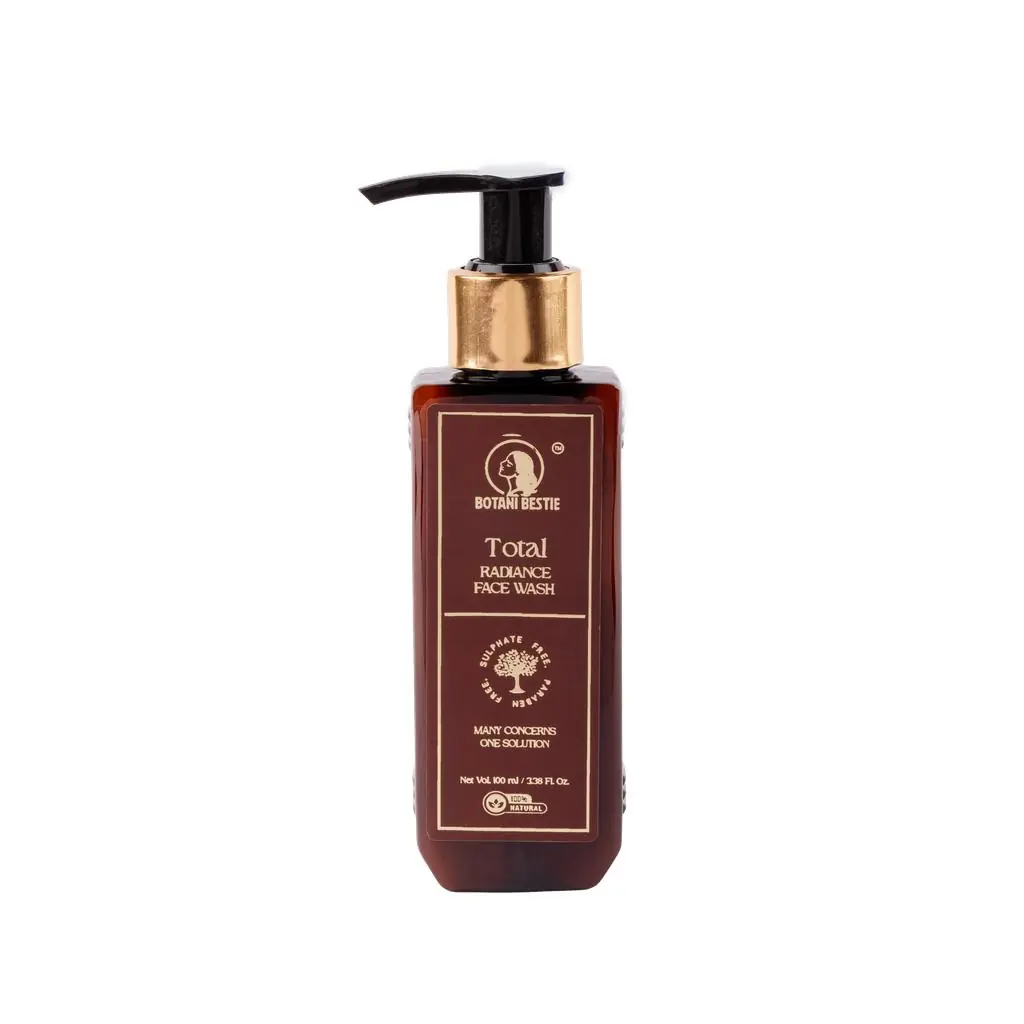
Total Radiance Face Wash
by Botani Bestie — ₹499 (MRP ₹650)
What the ingredient stack delivers:
- ✔ Salicylic Acid (BHA) — penetrates pore lining to dissolve sebum plugs, clear blackheads, and reduce sebum by up to 23.65% (2025 PMC trial data)
- ✔ Niacinamide — regulates sebaceous gland activity, blocks melanin transfer to prevent PIH, calms the inflammatory cytokines driving papule formation
- ✔ Sandalwood (alpha-santalol) — inhibits sebaceous gland activity and inflammatory cytokine production at the skin surface; Ayurvedic sebum control backed by modern dermatological evidence
- ✔ Aloe Vera — soothes post-breakout redness and inflammation; non-comedogenic hydration that prevents compensatory sebum surge
- ✔ Green Tea Extract (EGCG) — inhibits DHT-driven sebocyte stimulation; antioxidant protection against UV and pollution-driven oil overproduction
pH balanced at 5.0. 100% free from sulfates, parabens, silicones, synthetic fragrance, and alcohol.
How it compares to a typical SA face wash in India:
| Feature | Generic SA Face Wash | Total Radiance Face Wash |
|---|---|---|
| Salicylic Acid (pore-penetrating BHA) | ✅ | ✅ |
| Niacinamide (sebum + PIH control) | ❌ Usually absent | ✅ |
| Sulfate-free formula | ❌ Usually SLS-based | ✅ |
| pH optimised for SA activity (5.0) | ❌ Often pH 7–8 | ✅ |
| Barrier-strengthening actives (Aloe Vera) | ❌ | ✅ |
| Ayurvedic sebum control (Sandalwood) | ❌ | ✅ |
| Paraben & synthetic fragrance free | ❌ Typically not | ✅ |
| Free dermatologist consultation | ❌ | ✅ Included |
Join the growing community of customers across India who have switched to clean, science-backed acne care.
🎁 Not Sure Which Acne Routine is Right for Your Skin?
Get a free personalised skin consultation with our in-house dermatologist — no purchase required. Tell us your acne type, duration, and skin concerns, and receive a targeted routine built specifically for you.
Book Free Skin Consultation → WhatsApp Us📖 Continue your clean beauty research:
Frequently Asked Questions
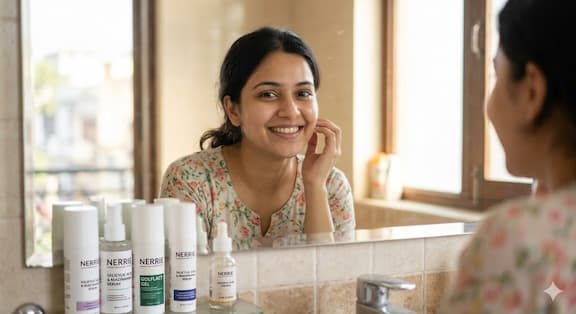
The Verdict: Salicylic Acid Works — When Used Correctly
Salicylic acid is not a miracle. It is a well-evidenced, mechanistically sound, clinically proven ingredient that addresses acne at its source — inside the pore — in a way no other OTC ingredient can replicate. The 2025 clinical data confirms measurable sebum reduction, barrier strengthening, and acne severity reduction all within 21 days of consistent use.
The variables that separate results from disappointment: the right concentration (2%), the right formula (sulfate-free, pH 5.0), the right supporting ingredients (Niacinamide for PIH, Aloe Vera for barrier, Green Tea for sebum regulation), and the right consistency (twice daily, minimum 8 weeks). Get those four things right, and the science does the rest.
Get Clear Skin — Try Total Radiance → Free Skin Consultation"Acne is not a character flaw. It is a biological process — and biology responds to the right science, consistently applied."
Ready to make the honest switch?
Our products are built on the same principles as every article we write — pure ingredients, real results, nothing to hide.
Explore Our Products