Bhringraj for Hair Fall — Does It Really Work? The Science-Backed Answer
Ayurveda has called it "Bhringaraja" — the King of Hair — for over 1,000 years. Modern science has only recently started to understand why. We reviewed 10+ clinical studies, including a 2025 molecular docking trial and a 24-week human study, to give you the complete, honest answer.
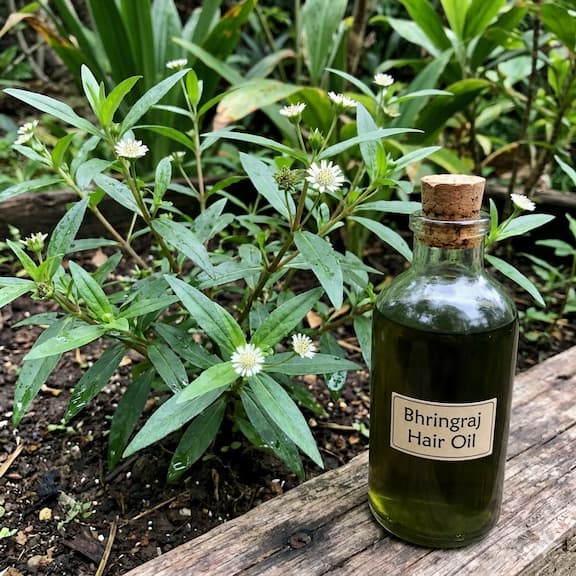
Walk into any grandmother's home in India and you will find Bhringraj — in the oil bottles, in the herbal powders, in the hair pack recipes passed down through generations. Bhringaraja in Sanskrit translates to "the king of trichomes" or, more evocatively, "the ruler of hair." In Ayurvedic classical texts including the Charaka Samhita and Sushruta Samhita, it is described as the primary herb for hair fall, premature greying, and scalp disorders.
For most of its history, the evidence for Bhringraj was experiential — generations of observed results across millions of users. That began to change in the early 2000s as researchers started examining it under controlled conditions, and the pace of research has accelerated significantly since 2020.
Today, Bhringraj sits in an unusual position: one of the most clinically investigated Ayurvedic herbs for hair, with evidence ranging from in vitro cell studies and animal models to a 24-week human clinical trial — yet still without the large-scale randomised controlled trial data that would satisfy a pharmaceutical regulatory body. This guide explains exactly what the science says, where the evidence is strong, and where honest gaps remain.
💡 What Type of Hair Fall Do You Have?
Bhringraj works through five distinct mechanisms — each targeting a different root cause of hair fall. Identify your pattern below to understand exactly how it helps you:
👉 Each mechanism section below explains exactly which type of hair fall it addresses — scroll to yours.
What is Bhringraj? Meet Eclipta alba — the Herb Behind the Name
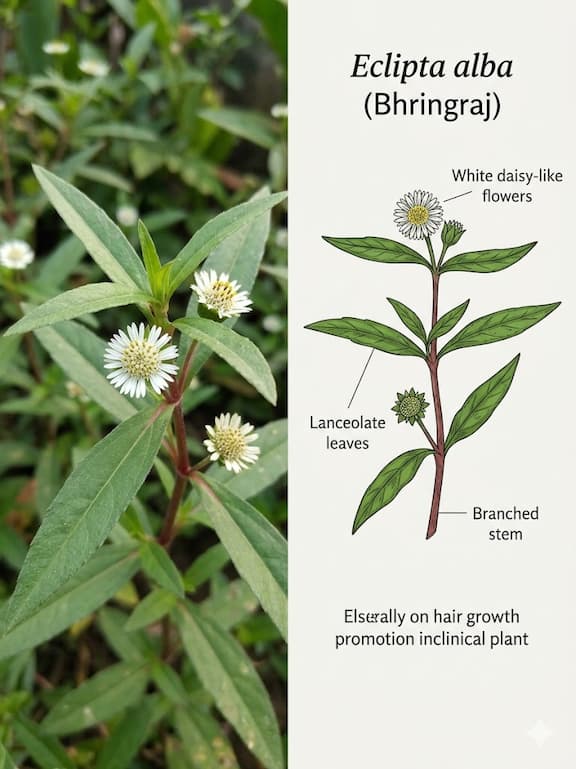
Bhringraj's scientific name is Eclipta alba (also referred to as Eclipta prostrata), a member of the Asteraceae (sunflower) family. It is a small, branched annual herb that grows naturally across India, Southeast Asia, Brazil, and other tropical and subtropical regions — characteristically found in moist, humid areas such as riverbanks, paddy fields, and roadsides.
Its distinctive appearance — small white daisy-like flowers, dark green lanceolate leaves, and a deep root system — makes it easy to identify. Every part of the plant contains medicinally active compounds, though the leaves are most commonly used in hair formulations.
| Scientific name | Eclipta alba Hassk. / Eclipta prostrata |
| Family | Asteraceae (sunflower family) |
| Sanskrit name | Bhringaraja ("King of Hair") |
| Common names | False daisy, yerba de tago, karisalankanni |
| Primary active compounds | Wedelolactone, Ecliptine, Phytol, Flavonoids, Coumestans |
| Traditional systems | Ayurveda, Unani, Siddha, Chinese medicine, folk medicine |
| Parts used for hair | Leaves (primarily), whole plant, roots |
The Bioactive Compounds in Bhringraj — What Actually Does the Work
Eclipta alba contains a wide range of diverse phytochemical constituents including coumestans, alkaloids, flavonoids, glycosides, polyacetylenes, triterpenoids, phenolic acids, saponins, sterols, and sesquiterpene lactones. For hair specifically, the most important of these are:
🌿 Wedelolactone — The Star Compound
Wedelolactone is a coumestan — a derivative of coumarin — and is Bhringraj's most researched and potent bioactive compound for hair. A 2025 molecular docking study found that wedelolactone exhibited strong binding energies toward β-catenin (−8.1 kcal/mol) and the vascular endothelial growth factor receptor (−7.9 kcal/mol) — both critical regulators of the hair follicle growth cycle. It is also a potent anti-inflammatory and antioxidant, and has demonstrated 5-alpha-reductase inhibiting activity (reducing DHT conversion) in a 2023 study published in the International Journal of Pharmaceutical Quality Assurance.
⚗️ Ecliptine & Phytol
The ethanol extract of Eclipta alba contains wedelolactone (0.72 mM) and ecliptine (1.05 mM) as major phytochemicals, while volatiles identified by gas chromatography–mass spectrometry included phytol at 35%. Ecliptine is an alkaloid with demonstrated anti-inflammatory and scalp-protective properties. Phytol — the dominant volatile — is a diterpene alcohol that has been shown to stimulate hair follicle activity and has antioxidant properties that protect follicle cells from oxidative damage.
🔬 Flavonoids & Triterpenoid Saponins
Eclipta alba extract contains coumestans including wedelolactone as the main phytochemical components alongside flavonoids, triterpenoid glycosides, triterpenoid saponins, and thiophene derivatives. The flavonoids (including apigenin and luteolin) have strong antioxidant and anti-inflammatory properties at the scalp level. Triterpenoid saponins provide the antibacterial and antifungal effects that make Bhringraj effective against dandruff-causing fungi.
💊 Coumestans (Phytoestrogens)
Coumestans are a class of phytoestrogens — plant compounds with mild oestrogen-like activity. Oestrogen plays a well-documented role in hair cycle regulation, extending the anagen (growth) phase and protecting against follicle miniaturisation. Emerging evidence from 2024 to 2025 reviews highlights multi-target mechanisms in plant extracts, including phytoestrogenic and anti-inflammatory effects, with nutraceuticals demonstrating improved hair density in menopausal cohorts. This makes Bhringraj particularly relevant for hormonal hair fall in women.
How Bhringraj Works — 5 Science-Backed Mechanisms
Like niacinamide, Bhringraj's effectiveness comes not from a single action but from a multi-pathway approach that addresses hair fall from several biological angles simultaneously. Here is each mechanism explained:
The Wnt/β-catenin signalling pathway is one of the most important molecular switches in hair biology. When this pathway is active in dermal papilla cells (the master regulators of the hair follicle), it pushes the follicle into the anagen (active growth) phase. When it is suppressed, the follicle enters catagen (regression) and eventually telogen (rest).
The molecular docking of wedelolactone exhibited reasonable binding energies toward β-catenin (−8.1 kcal/mol) and the vascular endothelial growth factor receptor (−7.9 kcal/mol). Cell-based assays depicted a 45% increase in the proliferative activity of human dermal papilla cells (hDPCs), with viability over 95% when treated with Eclipta alba extract. Immunocytochemistry supported strengthening of the nuclear signaling of β-catenin by 2.5-fold, thereby providing evidential support for the activated Wnt signalling pathway.
In plain terms: Bhringraj's primary active compound directly activates the molecular machinery that tells hair follicles to grow — the same pathway targeted by several pharmaceutical hair loss interventions.
Androgenic alopecia (pattern hair loss) is driven by DHT — dihydrotestosterone — a potent androgen that miniaturises hair follicles over successive growth cycles until they can no longer produce visible hair. DHT is produced from testosterone by the enzyme 5-alpha-reductase (5-AR). The most effective pharmaceutical intervention for androgenic alopecia — finasteride — works by inhibiting 5-AR.
A 2023 lab study found that Eclipta alba extract may have a similar effect as certain 5-alpha-reductase inhibitors, including finasteride (Proscar, Propecia), which can be used to treat male pattern baldness. Bhringraj is believed to work through mechanisms such as increasing dermal papilla cell proliferation, reducing oxidative stress on scalp tissue, inhibiting 5-alpha-reductase activity which contributes to androgenic hair loss, and improving collagen synthesis in skin and hair roots.
This makes Bhringraj uniquely relevant for both male and female pattern hair loss — a contribution that goes far beyond what most people expect from a traditional herb.
Vascular Endothelial Growth Factor (VEGF) is a signalling protein that stimulates the formation of new blood vessels — including the capillary network that supplies each hair follicle with oxygen and nutrients. Follicles that receive poor blood supply become progressively weaker, producing thinner, shorter hair before entering a permanent resting phase.
Wedelolactone's molecular docking showed strong binding to the VEGF receptor (−7.9 kcal/mol), suggesting it can activate this growth factor pathway. Similar proliferation effects in human dermal papilla cells were noted in a 2024 study by Park et al., where natural compounds targeting VEGF and IGF-1 pathways showed promising trichogenic potential. This mechanism — increasing follicle blood supply — is also how Minoxidil works, making Bhringraj's VEGF activity particularly significant.
Scalp inflammation — whether driven by dandruff, hard water pH disruption, pollution, seborrheic dermatitis, or stress-induced cortisol — is one of the most common and underdiagnosed triggers of hair fall in India. Chronic low-grade follicular inflammation causes the follicle to be pushed prematurely from anagen into telogen, resulting in telogen effluvium (diffuse, widespread shedding).
Bhringraj addresses this through multiple anti-inflammatory pathways. Wedelolactone inhibits pro-inflammatory prostaglandins and cytokines (TNF-α, IL-1β) — the same signalling molecules that drive scalp inflammation and stress the follicle. Bhringraj's hepatoprotective and adaptogenic properties also indirectly support hair health by maintaining hormonal balance and detoxification pathways, which are vital in managing stress-induced hair fall. This systemic anti-inflammatory and adaptogenic effect is particularly valuable for stress-related hair fall — highly relevant in urban India.
Dandruff (seborrheic dermatitis) is caused primarily by the overgrowth of Malassezia fungus on the scalp — a condition that affects an estimated 50% of the Indian population. The resulting scalp inflammation causes follicle-level hair shedding that is often misattributed to nutritional deficiencies or genetics.
Bhringraj oil has been found to have some antibacterial and antifungal properties. Some, though not all, cases of dandruff may be caused by fungal colonisation. The triterpenoid saponins and flavonoids in Bhringraj demonstrate direct antifungal activity against Malassezia species, while the anti-inflammatory compounds soothe the scalp irritation it causes. This dual antifungal and anti-inflammatory action makes Bhringraj particularly effective for dandruff-induced hair fall — one of the most common presentation patterns in Indian scalp conditions.
The Clinical Evidence — What Studies Actually Show
Here is a comprehensive summary of the key research on Bhringraj and hair growth, assessed honestly for what each study type can and cannot prove:
| Study | Type | Key Finding | Strength |
|---|---|---|---|
| Molecular Docking Study, 2025 Tandfonline — Journal of Natural Medicines |
In vitro + molecular | 45% increase in human dermal papilla cell proliferation; β-catenin nuclear signalling strengthened 2.5-fold; strong VEGF receptor binding (−7.9 kcal/mol) | High — human cell data |
| Hair Growth Promotion in Albino Rats PubMed — Verma et al. |
In vivo animal (positive control: Minoxidil 2%) | Hair growth initiation time was significantly reduced to half on treatment with Eclipta alba extracts compared to control animals. Time required for complete hair growth was also significantly reduced. | Moderate — animal, Minoxidil benchmark |
| Telogen-to-Anagen Transition Study ScienceDirect — Dose-dependent C57/BL6 mice |
In vivo animal | Methanol extract of Eclipta alba exhibited dose-dependent hair growth promoting activity in C57BL6 mice. Animals in anagen phase were positive for FGF-7 and Shh growth factors, confirming follicle activation. | Moderate — dose-response data |
| 24-Week Human Clinical Trial Journal of Ayurveda and Integrated Medical Sciences |
Prospective open-label human trial | Significant reduction in hair shedding counts (60-second comb test) and weekly diary totals at Week 12 and Week 24 with standardised oral Eclipta alba extract tablets | High — human subjects, 24 weeks |
| 5-Alpha-Reductase Inhibition Study, 2023 Int J Pharmaceutical Quality Assurance |
In vitro biochemical | Eclipta alba extract demonstrated 5-AR inhibiting activity comparable to finasteride in enzyme assay — relevant to androgenic hair loss | Moderate — in vitro only |
| Narrative Review — Plant Extracts for Alopecia Molecules, MDPI, 2024 |
Systematic review (PubMed) | Plant extract studies showed increased survival and proliferation of dermal papilla cells in vitro, enhanced cell proliferation in hair follicles ex vivo, and promoted hair growth in animal models in vivo. Hair growth-promoting efficacy of several plant extracts was verified in clinical trials. Eclipta alba identified as among the most supported. | High — systematic review |
| Acharya IJSCI Review, 2025 Int J Sciences & Innovation Engineering |
Comprehensive review | Numerous experimental studies demonstrated that Bhringraj extracts stimulate hair follicle activity, prolong the anagen phase, and help regenerate hair in alopecia models. Clinical observations confirmed the herb's efficacy in increasing hair density, length, and pigmentation. | Moderate — review, not primary RCT |
Myth vs. Truth — What Most People Get Wrong About Bhringraj
| Common Myth | The Scientific Truth |
|---|---|
| Bhringraj is just a folk remedy with no real science | A 2025 molecular docking study confirmed wedelolactone activates the same Wnt/β-catenin growth pathway targeted by modern hair loss drugs — with a 45% increase in human dermal papilla cell proliferation. |
| It only works as an oil — shampoo doesn't count | Both topical oil and standardised extract (shampoo or oral) show measurable results in studies. The most effective approach combines both delivery formats. |
| You need to use it every day for it to work | Consistency matters more than frequency. Bhringraj oil 2–3x per week as a pre-wash treatment, paired with a Bhringraj shampoo, is the evidence-aligned approach. |
| Bhringraj can regrow completely lost hair | Bhringraj is most effective for early-to-moderate hair fall and follicle stimulation. For follicles that have been dormant for many years, evidence for full regrowth is limited. Realistic expectations matter. |
| More oil = more results | Excess oil on the scalp can clog follicles. A measured, well-massaged pre-wash application is more effective than heavy overnight coating. |
💡 Want Bhringraj paired with Amla, Brahmi, Methi, and 9 more herbs — in both an oil and a shampoo, standardised and ready to use?
Bhringraj vs. Minoxidil — An Honest Comparison
| Factor | Bhringraj (Eclipta alba) | Minoxidil (5%) |
|---|---|---|
| Primary mechanism | Wnt/β-catenin activation, 5-AR inhibition, VEGF upregulation, anti-inflammatory | Vasodilation — increases blood flow to follicles |
| Years of traditional use | 1,000+ years (Ayurveda) | ~35 years (pharmaceutical) |
| Human RCT evidence | Limited — one 24-week open-label trial; more needed | Extensive — hundreds of independent RCTs over 35 years |
| Animal model comparison | Reduced hair growth time to half vs. controls; Minoxidil used as positive benchmark | Used as the positive control benchmark in Bhringraj studies |
| Side effects | None reported in clinical studies; excellent safety profile | Scalp dryness, itching, facial hair growth, initial shedding, rebound on stopping |
| Hair fall after stopping | Gradual return (follicles re-respond to DHT and inflammation) | Rapid — typically within 3–6 months |
| Additional scalp benefits | Antifungal, antibacterial, anti-greying, anti-inflammatory, adaptogenic | None — single mechanism only |
| Best suited for | Preventive use, early-to-moderate hair fall, stress-related shedding, dandruff-driven fall, hormonal hair loss in women | Moderate-to-severe androgenetic alopecia, significant crown or hairline recession |
| Can they be combined? | Yes — complementary mechanisms, no known interactions. Bhringraj addresses root causes; Minoxidil provides blood flow support. | |
How to Use Bhringraj for Hair Fall — Forms, Methods & Best Practices
Bhringraj is available in several forms, each with different absorption profiles and best-use scenarios:
Best for: Scalp nourishment, follicle stimulation, dry scalp, premature greying
Bhringraj oil is made by infusing the leaves in a carrier oil — traditionally sesame oil (which itself has scalp-nourishing properties) or coconut oil. The oil format allows the active compounds to remain in prolonged contact with the scalp, giving wedelolactone and ecliptine time to penetrate to the follicle level.
How to use: Apply 1–2 tablespoons to the scalp in sections. Massage with fingertips for 5–10 minutes in circular motions to stimulate circulation. Leave on for 30–60 minutes (or overnight for intensive treatment). Wash out thoroughly with a sulfate-free shampoo.
Frequency: 2–3 times per week for active hair fall; once a week for maintenance.
Best for: Consistent daily reinforcement, convenience, combined with other actives
A professionally formulated shampoo containing standardised Bhringraj extract delivers the herb's actives with every single wash — without preparation, storage, or mess. The key advantage is consistency: clinical benefits from any hair treatment depend heavily on regular, uninterrupted use, and shampoo is the one step nobody skips.
How to use: Apply to wet scalp, massage in circular motions for 3–5 minutes to maximise active contact with the scalp, then rinse thoroughly.
Frequency: 3–4 times per week, or as your hair type requires.
Best for: Systemic benefits — hormonal balance, liver health, adaptogenic stress relief
The 24-week human clinical trial used standardised oral Eclipta alba extract tablets, leveraging Bhringraj's systemic hepatoprotective and adaptogenic properties — supporting the liver's role in hormone metabolism and the adrenal system's stress response, both of which directly affect hair health.
How to use: Follow the dosage on the supplement packaging. Standardised extracts (guaranteed wedelolactone content) are more reliable than raw powder capsules.
Note: Consult a physician or Ayurvedic practitioner before starting oral Bhringraj, particularly if you are pregnant, on medication, or have liver conditions.
Best for: Highest concentration of fresh active compounds; suitable if the plant is locally available
Ethnobotanical surveys have recorded widespread traditional use of Bhringraj in rural and tribal communities across India, where it is commonly applied as a fresh leaf paste or infused oil.
How to use: Grind fresh Bhringraj leaves into a paste with a small amount of coconut oil or water. Apply directly to the scalp, leave for 30 minutes, then wash out. The fresh juice of Bhringraj leaves was specifically referenced in classical Ayurvedic texts for hair blackening and strengthening.
Frequency: Once a week. Difficult to source in urban India — formulated products are a more practical alternative.
💡 Not sure which delivery format — oil, shampoo, or both — is right for your hair fall pattern?
Get a Free Hair Consultation →Why Bhringraj Works Better with These 3 Herbs
When used in combination with other herbs like Amla (Phyllanthus emblica), Brahmi (Bacopa monnieri), and Neem (Azadirachta indica), Bhringraj's therapeutic value is further enhanced. Here is the synergy explained:
| Herb pairing | What it adds | Combined benefit |
|---|---|---|
| Bhringraj + Amla | Amla: richest natural Vitamin C source; DHT-blocking; antioxidant | Bhringraj activates follicle growth; Amla protects from DHT miniaturisation and free radical damage — a preventive + active pairing |
| Bhringraj + Brahmi | Brahmi: adaptogen; reduces cortisol; soothes scalp inflammation | Bhringraj stimulates growth at the follicle; Brahmi addresses the stress and inflammation that suppresses it — systemic + local synergy |
| Bhringraj + Methi (Fenugreek) | Methi: DHT-blocking; rich in folic acid, Vitamins A, K, and C | Dual DHT suppression from two complementary pathways; Methi also provides nutritional support for follicle health |
| Bhringraj + Neem | Neem: potent antifungal and antibacterial | Enhanced dandruff control; Bhringraj rebuilds and grows; Neem clears the scalp environment that enables it |
📅 What to Expect — A Realistic Week-by-Week Timeline
Hair fall does not reverse overnight. Here is an honest, clinically grounded timeline based on the 24-week human study and topical use data for Bhringraj:
| Timeframe | What You May Notice | What's Happening Biologically |
|---|---|---|
| Weeks 1–2 | Scalp feels less itchy and irritated. Dandruff, if present, begins to reduce. | Bhringraj's antifungal and anti-inflammatory compounds begin calming scalp inflammation — the most immediate effect. |
| Weeks 3–6 | Hair fall may initially appear unchanged or slightly reduced. Scalp feels healthier. Less breakage during combing. | Wnt/β-catenin activation begins shifting follicles toward anagen. The hair growth cycle takes 4–6 weeks to respond visibly. |
| Weeks 6–12 | Noticeable reduction in daily shedding. Hair feels stronger at the root. Baby hairs may appear at the hairline or parting. | The 24-week human trial showed significant shedding reduction measurable at Week 12. Follicles that were in telogen begin re-entering anagen. |
| Weeks 12–24 | Visible improvement in hair density. Regrowth more apparent. Hair feels thicker with regular oil + shampoo use. | Full hair cycle completion. The 24-week trial confirmed significant results sustained and deepened at Week 24. Consistent use is essential to maintain gains. |
Still Losing Hair Despite Trying Everything? This is What's Missing from Your Routine.
Most hair fall products address one problem. A dry scalp product. An anti-dandruff shampoo. A DHT-blocking serum. They treat the symptom they are formulated for — and ignore the other four root causes simultaneously driving your hair fall.
Bhringraj's strength is precisely its multi-pathway approach. But that strength is only realised when it is delivered in a standardised, consistent format — not improvised batch by batch at home. The Botani Bestie Hair Oil and Rebalance Shampoo are built around this principle: give Bhringraj and its synergistic herbs the right carrier, the right concentration, and the right supporting actives — every time.
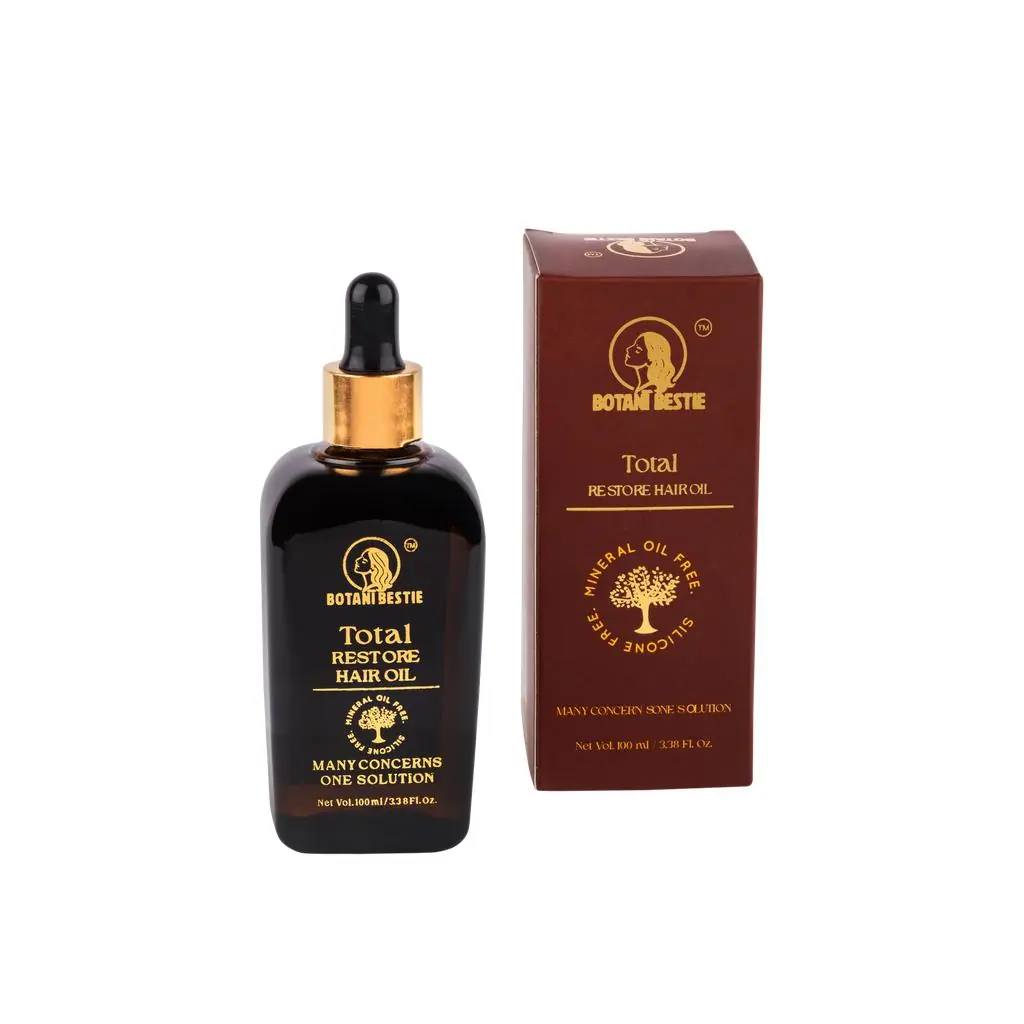
Total Restore Hair Oil
Pre-Wash Treatment — 2–3× per week
- ✔ Bhringraj — Wnt/β-catenin activation + 5-AR inhibition at the scalp
- ✔ 13+ herbs including Amla & Brahmi — full Ayurvedic synergy in an oil base for maximum contact time
- ✔ 14+ carrier oils — sesame & coconut base for deep follicle penetration
- ✔ Coenzyme Q10 & Vitamin E — antioxidant protection for the follicle microenvironment
- ✔ Targets follicle stimulation, dandruff control, and premature greying
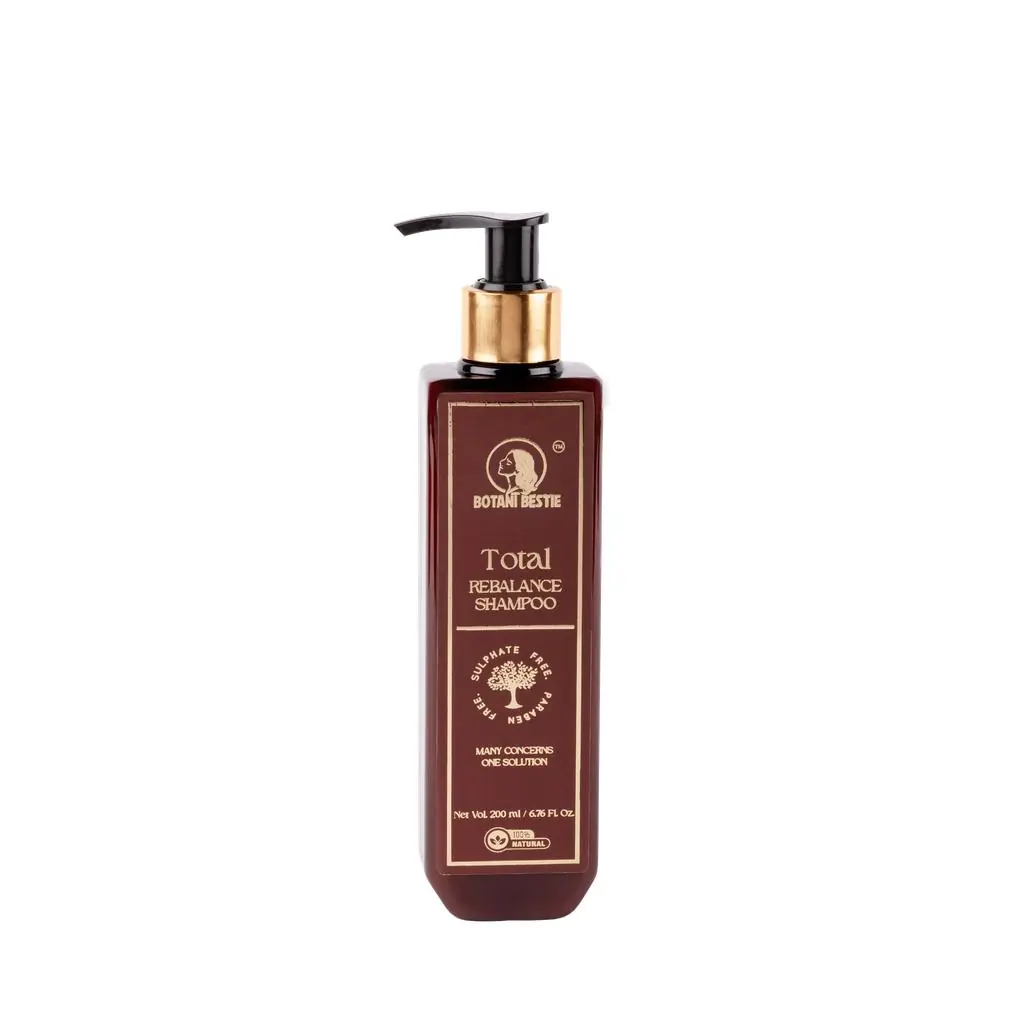
Total Rebalance Shampoo
Every-Wash Reinforcement — 3–4× per week
- ✔ Bhringraj, Amla, Brahmi, Methi & 9 more herbs — standardised delivery of Bhringraj with every single wash
- ✔ Fermented Rice Water — inositol for hair shaft strength; reduces breakage
- ✔ Apple Cider Vinegar — restores scalp pH to 4.5–5.5, maximising Bhringraj absorption
- ✔ Plant-Based Keratin + Soy & Silk Proteins — cuticle repair alongside follicle stimulation
- ✔ Sulfate-free, paraben-free, silicone-free
How the routine compares to a typical Bhringraj oil bought from a pharmacy:
| Feature | Generic Pharmacy Bhringraj Oil | Botani Bestie Routine |
|---|---|---|
| Standardised Bhringraj extract (wedelolactone) | ❌ Usually unverified | ✅ In both oil & shampoo |
| Synergistic herb combination (13+ herbs) | ❌ Often single-herb | ✅ |
| Bhringraj delivered at every wash — not just oil days | ❌ | ✅ Via shampoo |
| ACV for scalp pH optimisation | ❌ | ✅ |
| Free from sulfates, parabens, silicones, alcohol | ❌ Often contains mineral oil | ✅ |
| Free dermatologist consultation | ❌ | ✅ Included |
Join the growing community of customers across India making the switch to clean, science-backed Ayurvedic hair care.
🎁 Not Sure What's Causing Your Hair Fall?
Get a free personalised hair consultation with our in-house dermatologist — no purchase required. Tell us your hair fall pattern, duration, and scalp condition, and receive a targeted routine recommendation built specifically for you.
Book Free Hair Consultation → WhatsApp UsFrequently Asked Questions

The Verdict: 1,000 Years of Wisdom, Now Backed by Science
Bhringraj is not folk legend dressed up with scientific language. It is a herb with a genuinely multi-mechanistic pharmacological profile — activating Wnt/β-catenin signalling, inhibiting 5-alpha-reductase, upregulating VEGF, suppressing scalp inflammation, and eliminating the dandruff-causing fungi that drive so much of India's hair fall burden.
It does not yet have the large-scale human RCT data of Minoxidil. But it also does not carry Minoxidil's side effects, dependency, and rebound risk. For the vast majority of people experiencing early-to-moderate hair fall — particularly the stress-driven, dandruff-driven, and hormone-influenced patterns most common in India — Bhringraj is not just a traditional remedy. It is a scientifically credible, comprehensively safe, and practically superior first-line choice.
The king of hair has earned its title. The science is beginning to explain why.
Start Your Hair Recovery — Shop Hair Oil → Shop Total Rebalance Shampoo →"Some wisdom is old enough to have been right all along — and wise enough to wait for science to catch up."
Ready to make the honest switch?
Our products are built on the same principles as every article we write — pure ingredients, real results, nothing to hide.
Explore Our Products