The Botani Bestie Journal

10 Myths About Natural vs Commercial Hair & Skin Products — Debunked

The beauty aisle is full of confident claims on both sides. Natural products promise purity. Commercial products promise performance. Most of what both sides say is either misleading, oversimplified, or just wrong. Here's what the science and Ayurvedic tradition actually say.

What This Article Covers

"Natural" is not automatically safe or effective — formulation, concentration, and extraction method all determine whether an ingredient actually works

Not all synthetic ingredients are harmful — but SLS, parabens, silicones, and formaldehyde releasers create real, documented problems with daily use

Science-informed Ayurvedic formulation — potent herbal actives at clinically relevant concentrations, without the harmful synthetics
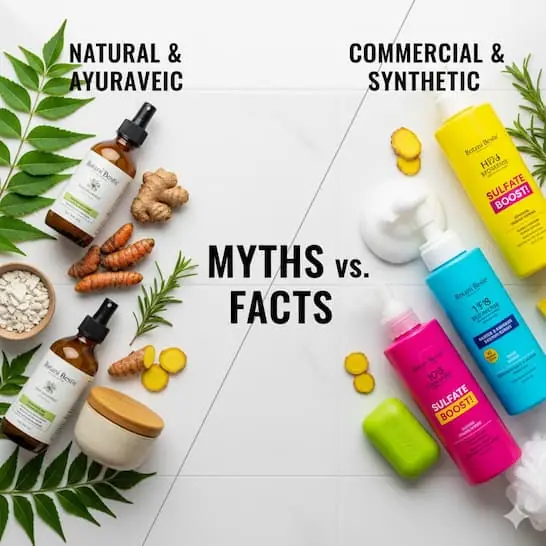
myths and facts comparison

With the rise of green marketing, the beauty industry has become a battleground of claims. Natural brands position themselves as pure and virtuous. Commercial giants counter that science and clinical testing guarantee results. The reality is more nuanced — and more interesting — than either narrative allows.

At Botani Bestie, we reject the false binary. We believe the most honest position is this: Ayurvedic wisdom and modern dermatological science are not opposites. They are allies. Below we take apart the 10 most common myths that confuse consumers on both sides.

Myth 1

"Natural Products Are Always 100% Safe"

Fact

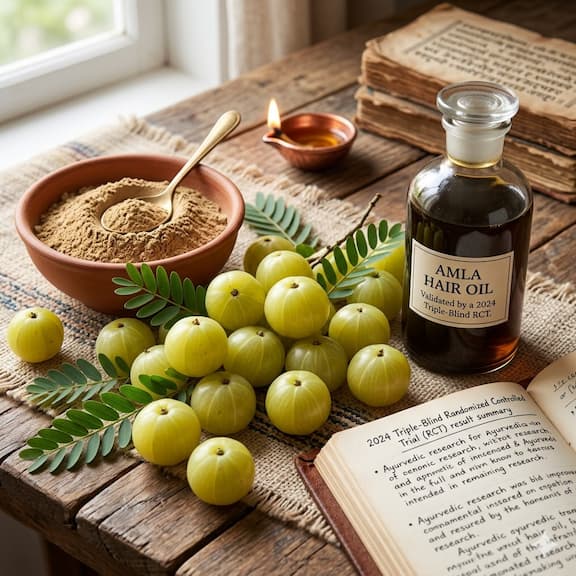
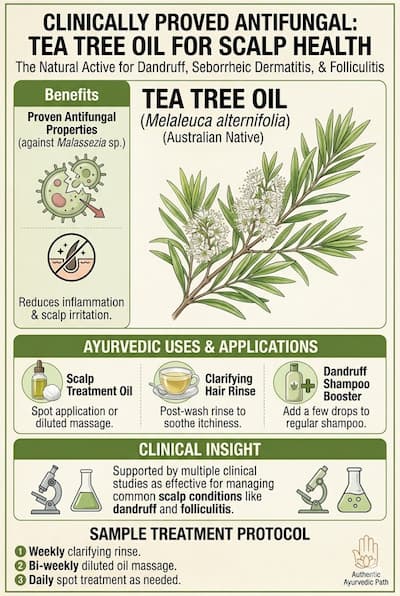
Not all naturals are equal. Poison ivy is natural. Arsenic is natural. Many potent botanicals — tea tree oil at high concentrations, cinnamon bark, certain citrus essential oils — can cause severe contact dermatitis in undiluted or unbalanced formulations. What determines safety is not 'natural vs synthetic' but formulation rigour: correct concentration, pH balance, stability testing, and compatibility with the skin's barrier. A natural ingredient at the wrong concentration is just as harmful as a synthetic one.

Ayurvedic formulation is not guesswork — it specifies herb concentrations, base carriers, and preparation methods precisely for this reason.

Myth 2

""Chemical-Free" Beauty Is a Real Thing"

Fact

Scientifically impossible. Everything is a chemical — water is H₂O, salt is NaCl, Bhringraj extract is a complex mixture of alkaloids and flavonoids. 'Chemical-free' is a marketing phrase, not a fact. The relevant distinction is between synthetic chemicals with documented health concerns (SLS, parabens, phthalates, DMDM Hydantoin) and naturally-derived or safer synthetic ingredients that are biocompatible and non-accumulative. Reading ingredient lists — not marketing claims — is the only way to make this distinction accurately.

Look for brands that publish their full INCI ingredient list and explain every ingredient's role.

Myth 3

"Natural Shampoos Don't Lather or Clean Properly"

Fact

Lather is not correlated with cleansing efficacy — it's a conditioned consumer expectation. The dramatic foam you associate with 'clean' is produced by harsh sulfates like SLS and SLES, which create high-foaming lather by disrupting surface tension aggressively. Mild coconut-derived surfactants like Sodium Cocoyl Isethionate (SCI) and Disodium Lauryl Sulfosuccinate produce a gentler, creamier lather that removes dirt, oil, and product buildup just as effectively — without stripping the scalp's natural sebum barrier or disrupting its acidic pH (4.5–5.5).

The scalp's microbiome and lipid barrier depend on that acidic pH. SLS-based shampoos consistently measure at pH 6–7, creating a hostile environment for healthy scalp ecology.

Myth 4

"You Need Silicones for Smooth, Shiny Hair"

Fact

Silicones (Dimethicone, Cyclopentasiloxane) produce an immediate cosmetic effect that mimics the appearance of healthy hair by coating the shaft in a polymer film. But this film is non-water-soluble — it accumulates with every wash, blocking moisture and nourishing actives from reaching the cortex, progressively making hair more brittle and dependent on the coating to look presentable. Cold-pressed oils like Argan, Jojoba, and Moringa actually penetrate the hair shaft (unlike silicones), reducing protein loss from within and producing genuine, lasting softness and shine without residue buildup.

When you stop using silicone products, there's typically a 2–4 week adjustment period as hair adjusts to receiving real nourishment instead of a synthetic coating. This is normal and temporary.

Myth 5

"Natural Products Are Slow and Never Show Fast Results"

Fact

This conflates 'natural' with 'underpowered.' A well-formulated natural product contains active ingredients at clinically relevant concentrations that produce measurable results. The difference is in what the results represent: synthetic quick-fixes (silicones, harsh surfactants) produce immediate cosmetic changes that mask underlying damage. Natural actives like Bhringraj, Amla, Fermented Rice Water, and Redensyl address root causes — reducing follicle inflammation, stimulating growth phase extension, and rebuilding the hair shaft from within. The transformation is real and lasting, not cosmetic and temporary.

Hair grows approximately 1 cm per month. Give any new hair care routine a minimum of 6–8 weeks before evaluating real results.

Myth 6

"All Preservatives Are Harmful and Should Be Avoided"

Fact

Preservatives are non-negotiable for the safety of any water-based product. A shampoo, conditioner, or face wash without effective preservation would be colonised by bacteria, fungi, and mold within days — and would pose a genuine health risk, particularly for eye-area products. The relevant distinction is between high-risk preservatives (DMDM Hydantoin and other formaldehyde releasers, parabens) and safer alternatives (sodium benzoate, potassium sorbate, ethylhexylglycerin at low concentrations). The goal is not preservative-free — it's formaldehyde-free.

Any brand claiming their water-based product is 'preservative-free' is either not being truthful or is selling a product that is unsafe to use.

Myth 7

"An Expensive Product Must Have Better Ingredients"

Fact

Pricing in the personal care industry is overwhelmingly driven by marketing budgets, celebrity endorsements, packaging design, and brand positioning — not ingredient quality. Luxury brands routinely use the same commodity surfactants and silicones found in drugstore products, with a small percentage of premium actives added for label claims. A brand's commitment to ingredient transparency and publicly available INCI lists is a far better indicator of formulation quality than price point.

At Botani Bestie, we publish our full ingredient list precisely because we have nothing to hide. Premium cold-pressed oils, high-concentration herbal actives, and biotech-validated extracts at honest, accessible prices.

Myth 8

"Natural Fragrance Is Always Skin-Safe"

Fact

Essential oils are among the most common causes of contact dermatitis in personal care products — even at low concentrations, in certain individuals. High-concentration citrus oils (limonene, linalool) are known photo-sensitisers. Cinnamon bark, clove, and certain spice oils are potent skin irritants at anything above trace quantities. The EU's Scientific Committee on Consumer Safety (SCCS) has set specific concentration limits for 26 fragrance allergens — most of which are from 'natural' essential oils. The key is IFRA-compliance and therapeutic-range concentrations, not simply using a botanical source.

A product can use essential oils safely — at the right concentrations, in stable formulations, with IFRA compliance. That requires formulation expertise, not just good intentions.

Myth 9

"Natural Products Can't Be Scientifically Advanced"

Fact

This is perhaps the most damaging misconception in modern beauty. Ayurveda has a 3,000-year documented clinical record — and modern research is increasingly validating what traditional practitioners knew. Bhringraj (Eclipta Alba) has been clinically compared to minoxidil in hair growth studies. Amla's 5-alpha reductase inhibition (DHT blocking) is established in peer-reviewed research. Fermented Rice Water's inositol content for hair strengthening is well-documented. The false choice between 'natural tradition' and 'modern science' collapses under the weight of the evidence.

Botani Bestie formulations incorporate both INCI-standardised herbal extracts and biotech actives like Redensyl, Anagain, and Niacinamide — because the science and the herbs are not in competition.

Myth 10

"Sourcing and Environmental Impact Don't Affect Product Quality"

Fact

The quality of a botanical extract is directly tied to how the source plant was grown, harvested, and processed. Cold-pressed oils from responsibly sourced, traceable farms retain a significantly higher concentration of active lipids and antioxidants compared to mass-produced equivalents. Synthetic, non-biodegradable detergents accumulate in waterways and have downstream effects on ecosystems. Cruelty-free and ethically sourced formulations are not just marketing positions — they reflect a brand's commitment to the entire production chain, not just the final bottle.

Ask where a brand sources its herbs. Ask how they're extracted. If there's no answer, there's likely no standard worth mentioning.

Natural vs Commercial — The Real Comparison

Once you strip away the marketing language, the comparison comes down to specific ingredient decisions and their documented effects. Here's an honest, ingredient-level side-by-side:

Attribute Typical Commercial Formula Botani Bestie Approach
Primary Surfactant Sodium Lauryl/Laureth Sulfate — high foam, high pH disruption, strips sebum barrier Sodium Cocoyl Isethionate, Decyl Glucoside — mild, coconut-derived, pH-balanced cleansing
Conditioning Agent Dimethicone, Cyclopentasiloxane — synthetic polymer coating; creates buildup and dependency Cold-pressed Argan Oil, Jojoba, Coconut Milk — genuinely penetrate the hair cortex; no accumulation
Preservative System DMDM Hydantoin, Parabens — effective but release formaldehyde or mimic estrogen Sodium Benzoate, Potassium Sorbate, low-concentration Ethylhexylglycerin — safe and effective
Fragrance "Fragrance / Parfum" — hides phthalates and hundreds of undisclosed allergens Named IFRA-certified essential oil blends (e.g., Lavandula Angustifolia, Rosmarinus Officinalis) — fully disclosed
Active Ingredients Often trace-level botanicals added for label claims; primary function is cosmetic (silicone, wax) High-concentration Bhringraj, Amla, Fermented Rice Water, Brahmi at therapeutically relevant levels
Short-term Result Immediate shine and smoothness (silicone coating) Comfortable, balanced scalp; natural shine from cuticle health, not a synthetic layer
Long-term Result Progressive silicone buildup, scalp barrier disruption, dependency on product Stronger, more resilient hair; regulated scalp sebum; reduced hair fall from improved follicle health
Environmental Impact Non-biodegradable surfactants and microplastics in wastewater Biodegradable formulations; cruelty-free; no microbeads or polyethylene particles
The Third Way in Action

Total Rebalance Shampoo

by Botani Bestie

✓ Zero SLS / SLES ✓ Zero Silicones ✓ Zero Parabens ✓ 13+ Ayurvedic Herbs

Bhringraj  ·  Amla  ·  Fermented Rice Water  ·  Apple Cider Vinegar  ·  Coconut Milk  ·  Shikakai — every column in the comparison table above is addressed. Not claimed. Actually delivered.

Not natural. Not commercial.
Science-informed Ayurveda — formulated honestly.

See Full Ingredients →

Free shipping  ·  30-Day Money-Back Guarantee
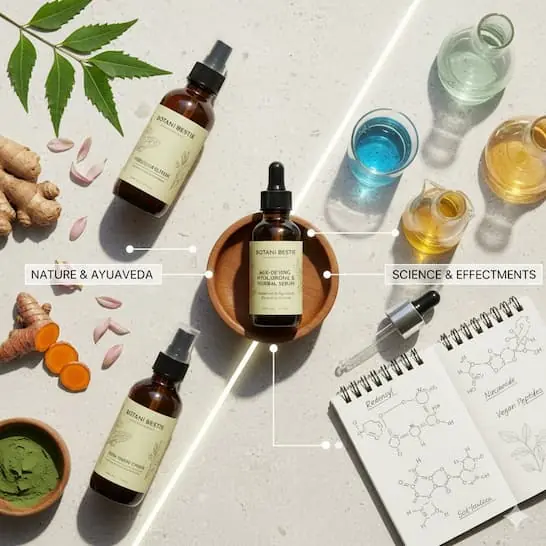
Ayurvedic wisdom and modern scientific formulation

The Botani Bestie Position: Neither Side Gets It Completely Right

We believe that the debate between "natural" and "commercial" is a distraction from the real question: does this product contain ingredients that genuinely benefit your hair and skin, formulated in a way that is safe, stable, and honest?

Ayurvedic tradition gives us 3,000 years of empirical knowledge about which botanicals work, in which combinations, and at what concentrations. Modern dermatological science gives us the tools to validate, standardise, and enhance those formulations. Neither tradition alone is sufficient. Together, they produce the standard we hold ourselves to:

CLEAN

Sulfate-free, paraben-free, silicone-free, formaldehyde-free — verified by full INCI disclosure

ACTIVE

Bhringraj, Amla, Brahmi, Fermented Rice Water — at therapeutic concentrations, not label decoration

HONEST

No greenwashing, no hidden synthetic shortcuts, no claims that can't survive a look at the ingredient list

Want to Know What Your Hair and Skin Actually Need?

Our free 5-minute consultation cuts through the marketing noise. Tell us about your hair and skin — and we'll recommend a science-informed Ayurvedic routine built specifically for you.

Take the Free Hair & Skin Test →

Frequently Asked Questions

Not automatically. 'Natural' is a marketing label, not a safety guarantee. What matters is whether the specific ingredients are biocompatible, non-toxic, and present at effective concentrations. The best approach is science-informed natural formulation — Ayurvedic actives like Bhringraj and Amla are genuinely beneficial, but they need to be properly extracted and formulated. An unformulated natural ingredient can be just as harmful as a problematic synthetic.

Yes, when formulated with effective mild surfactants. The foam-equals-clean association is conditioned expectation, not scientific fact. Harsh sulfates like SLS produce dramatic lather by disrupting surface tension aggressively. Coconut-derived surfactants like Sodium Cocoyl Isethionate clean equally effectively at a lower pH that preserves scalp health — without stripping the sebum barrier.

No. Everything is a chemical — including water (H2O), salt (NaCl), and every botanical extract. 'Chemical-free' is scientifically meaningless. The relevant distinction is between synthetic chemicals with documented health concerns (SLS, parabens, phthalates) and naturally-derived or safer synthetic ingredients that are biocompatible and non-harmful. Reading ingredient lists — not marketing claims — is the only accurate way to evaluate a product.

The scalp and hair renewal cycle is 4–6 weeks. Most people notice a transition period of 2–4 weeks when switching from silicone-based products, as the scalp recalibrates sebum production after years of synthetic interference. After this period, hair typically becomes healthier and more resilient with genuinely nourishing natural formulas. Give any new routine a minimum of 6–8 weeks before evaluating real results.

Some are, some aren't. Formaldehyde-releasing preservatives like DMDM Hydantoin are a genuine concern. Parabens are suspected endocrine disruptors. But some preservatives — sodium benzoate, potassium sorbate, low-concentration phenoxyethanol — are considered safe and necessary to prevent bacterial and fungal contamination. A product without any preservative is not safe to use. The goal is formaldehyde-free and paraben-free — not preservative-free.

Herbal products simply contain plant extracts. Ayurvedic formulations follow a structured system of herb selection, extraction method, doshas (body constitution), and therapeutic intent rooted in 3,000+ years of documented practice. An Ayurvedic formula uses herbs at specific concentrations for specific outcomes — not as label decoration. A product labeled 'herbal' may contain only trace amounts of herbs in a mineral oil base.

"True beauty doesn't come from choosing between natural and scientific — it comes from blending both with honesty."

The Botani Bestie Team

Related Reads from Botani Bestie

Foods for Hair Growth: What Indian Hair Actually Needs — The Nutrition-Follicle Guide (2025) — Botani Bestie Blog
Foods for Hair Growth: What Indian Hair Actually Needs — The Nutrition-Follicle Guide (2025)

Hair is made of keratin protein — and Indian vegetarian diets are frequently too low in the amino acids, iron, zinc, and Vitamin D that build it. Before any oil or serum can work, the follicle needs nutrition arriving via the bloodstream. The honest, desi-food-specific guide to what your hair actually needs from your plate.

Read Article
How to Grow Hair Faster Naturally: The Complete Ayurvedic & Science-Backed Guide (2025) — Botani Bestie Blog
How to Grow Hair Faster Naturally: The Complete Ayurvedic & Science-Backed Guide (2025)

The 5 biology-backed pillars that determine how fast your hair grows — scalp circulation, DHT management, nutrition, hair cycle optimisation, and active ingredients — with an Ayurvedic protocol for each. The honest, complete guide to growing more hair, faster.

Read Article
Best Shampoo for Hair Fall in India – Dermatologist Picks — Botani Bestie Blog
Best Shampoo for Hair Fall in India – Dermatologist Picks

Struggling with hair fall? Discover the best shampoos for hair fall in India in 2025 — with expert-backed ingredients, Ayurvedic formulas, and honest reviews to help you find the right solution for your hair type.

Read Article
Hair Porosity Guide: How to Test Yours and Choose the Right Products (2025) — Botani Bestie Blog
Hair Porosity Guide: How to Test Yours and Choose the Right Products (2025)

Low, normal, or high porosity — your hair's ability to absorb moisture determines which products actually work. Learn the 2-minute float test, what each porosity type needs, and which Ayurvedic ingredients to use for each.

Read Article
Premature Greying: Why It Happens and What Ayurveda Can Actually Do About It (2025 Guide) — Botani Bestie Blog
Premature Greying: Why It Happens and What Ayurveda Can Actually Do About It (2025 Guide)

Premature greying is a signal of melanocyte exhaustion, oxidative stress, and copper deficiency — not just genetics. Copper peptides and jatamansi are the two ingredients with the strongest evidence for slowing it down. The complete honest science guide for India's 18–35 demographic in 2025.

Read Article
Summer Skin Care Routine for Indian Skin: Heat, Humidity, and What Actually Works (2025) — Botani Bestie Blog
Summer Skin Care Routine for Indian Skin: Heat, Humidity, and What Actually Works (2025)

Indian summers are brutal on skin — 40°C heat, 70–90% humidity, UV Index 10+, and pollution combine to cause excess sebum, breakouts, dark spots, and barrier damage. This guide covers the exact summer skin care routine adapted for Indian climate conditions.

Read Article
The Botani Bestie Journal

Ready to make the honest switch?

Our products are built on the same principles as every article we write — pure ingredients, real results, nothing to hide.

Explore Our Products