7 Harmful Face Wash Ingredients That Are Quietly Destroying Your Skin Barrier
You wash your face twice a day. That means your cleanser has more contact time with your skin than almost any other product in your routine. Yet most commercial face washes are loaded with harsh surfactants, hormone-disrupting preservatives, and synthetic chemicals that damage the very barrier they're supposed to protect.
Quick Summary
Biggest Threat
SLS and SLES strip the skin's lipid barrier with every wash, causing chronic dryness, reactivity, and breakouts from compensatory oil production
Hidden Risks
Synthetic fragrance hides phthalates; DMDM Hydantoin releases formaldehyde; parabens mimic estrogen — all with daily facial skin exposure
Clean Standard
Mild plant-derived surfactants + Ayurvedic skin actives (Neem, Turmeric, Aloe, Centella Asiatica) — cleansing without barrier disruption
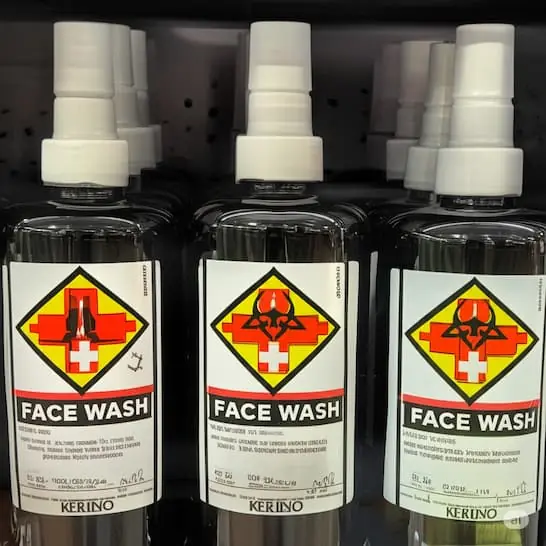
We trust our face wash to give us clean, clear skin. But what if that post-wash "tightness" is actually your skin's stress response to having its protective barrier stripped? What if the very cleanser you use every day is triggering the dryness, breakouts, and sensitivity that you're then trying to fix with expensive serums and moisturisers?
At Botani Bestie, we believe your skin deserves transparency — not just on what your cleanser claims, but on what it actually contains. Below is the full INCI-level breakdown of the seven most harmful face wash ingredients.
The Face Wash Red Flag List — Check Your Cleanser Now
These are the INCI names to look for on your face wash label. Facial skin is thinner and more absorptive than the scalp, which makes these ingredients especially concerning in a daily-use product:
| INCI Name on Label | Common Name | Why It's a Problem |
|---|---|---|
| Sodium Lauryl Sulfate / Sodium Laureth Sulfate |
SLS / SLES | Strips the skin's natural lipid barrier; disrupts ceramide layer; causes chronic dryness, tightness, and reactive skin; may contaminate with 1,4-dioxane (SLES) |
| Methylparaben / Propylparaben / Ethylparaben |
Parabens | Mimic estrogen; suspected endocrine disruptors; highly absorptive through facial skin with daily use; restricted in multiple countries |
| Fragrance / Parfum | Synthetic fragrance | Legal loophole hiding phthalates and hundreds of undisclosed allergens; most common cause of contact dermatitis on the face; can trigger inflammatory acne |
| DMDM Hydantoin / Imidazolidinyl Urea |
Formaldehyde releasers | Release formaldehyde (IARC Group 1 carcinogen); strong skin sensitiser; causes contact dermatitis; completely unnecessary in modern clean formulas |
| Paraffinum Liquidum / Petrolatum / Mineral Oil |
Petroleum derivatives | Coat the skin without penetrating; can clog pores and trigger comedonal acne; unrefined petrolatum may contain PAHs (polycyclic aromatic hydrocarbons), known carcinogens |
| CI 15985 / FD&C dyes | Artificial colours | Petroleum or coal tar derived; zero benefit to skin; can cause contact allergies and facial skin sensitisation |
| Triclosan / Triclocarban |
Antimicrobial agents | Disrupt the skin microbiome; classified as endocrine disruptors; promote antibiotic resistance; banned from soaps in the US but still found in some Asian formulations |
1. Sulfates (SLS/SLES) — The Barrier Strippers
Sodium Lauryl Sulfate (SLS) and Sodium Laureth Sulfate (SLES) are the most common foaming agents in face washes. They produce that satisfying lather that we've been conditioned to associate with "clean." But they are industrial-grade surfactants — the same chemicals used in engine degreasers — and they are far too aggressive for the delicate skin on your face.
Facial skin has a protective lipid barrier composed of ceramides, cholesterol, and fatty acids. SLS dissolves this barrier, disrupts the skin's natural acidic pH, and leaves it unable to retain moisture or defend against environmental irritants. The result: post-wash tightness, increased sensitivity, an overproduction of sebum (as the skin desperately tries to compensate), and a heightened risk of clogged pores and breakouts. The "deep clean" feeling is actually your skin's stress response — not cleanliness.
2. Parabens — Daily Endocrine Exposure on Facial Skin
Parabens (Methylparaben, Propylparaben, Ethylparaben) are preservatives used to prevent bacterial and fungal contamination in water-based formulas. Facial skin is significantly thinner and more absorptive than body skin, making twice-daily face wash applications a meaningful daily exposure route. Parabens mimic oestrogen and have been classified as suspected endocrine disruptors. They accumulate in human tissue with repeated use, and several EU countries and the UK have restricted certain parabens in leave-on and rinse-off facial products. The risk-benefit calculation doesn't justify their continued use when effective natural preservative alternatives exist.
3. Synthetic Fragrance — The Facial Allergen
The face is the most allergically reactive area of the body. Synthetic fragrance — the single-term catch-all hiding hundreds of potentially undisclosed chemicals — is the leading cause of contact dermatitis in facial products. This includes phthalates (endocrine disruptors), volatile organic compounds (respiratory irritants), and common allergens like linalool and limonene in oxidised forms. For anyone with acne-prone, sensitive, or rosacea-prone skin, synthetic fragrance in a daily cleanser can trigger persistent inflammatory breakouts and chronic redness that no serum can adequately address.
4. DMDM Hydantoin — The Formaldehyde-Releasing Preservative
Ingredients like DMDM Hydantoin and Imidazolidinyl Urea release formaldehyde gradually into the product over its shelf life. Formaldehyde is a Group 1 carcinogen (IARC) and an extremely potent skin sensitiser. Applying it to your face twice daily — in a product designed to sit on wet skin for 30 to 60 seconds before rinsing — represents a significant and completely avoidable exposure. These preservatives are not present because they're safe; they're present because they're cheap. Modern clean formulas have multiple safe alternatives.
5. Mineral Oil and Petrolatum — The Pore-Clogging Moisture Illusion
Mineral Oil and Petrolatum are petroleum-derived occlusive ingredients sometimes added to cleansers and makeup-removing formulas to emolliently remove debris. While they can be effective at trapping moisture in a leave-on product, in a facial cleanser they create an opaque coating that traps sebum, dead cells, and environmental debris in pores. For acne-prone skin types, this is a direct trigger for comedonal breakouts. Additionally, unrefined or poorly purified petrolatum may contain trace polycyclic aromatic hydrocarbons (PAHs) — known carcinogens — that the skin can absorb.
6. Artificial Colours — The Decorative Hazard
A green face wash, a pink foam, a golden gel — FD&C dyes and CI-numbered pigments are added purely for visual appeal. They serve no cleansing or skincare function. Yet many of these coal tar or petroleum-derived dyes are among the more common causes of allergic contact reactions on facial skin, particularly for those with eczema, rosacea, or compromised barrier function. There is no justification for their use in a product applied to the face twice daily.
7. Triclosan and Antimicrobial Agents — The Microbiome Disruptors
Triclosan and Triclocarban are synthetic antimicrobial agents added to "antibacterial" face washes. The problem: they are not selective. They kill beneficial bacteria on the skin — the microbiome that regulates inflammation, maintains pH, and defends against harmful pathogens. A disrupted skin microbiome is strongly associated with increased acne, accelerated ageing, and inflammatory skin conditions. Triclosan has been classified as an endocrine disruptor, promotes antibiotic resistance, and has been banned from soaps and cleansers in the United States. It still appears in some products sold in India and other markets.
What a Clean Face Wash Actually Contains
A genuinely good cleanser should cleanse effectively, preserve the skin barrier, and deliver some actual benefit to the skin. Here's what that looks like on an INCI list:
| Ingredient | INCI Name | What It Does for Skin |
|---|---|---|
| Decyl Glucoside / Sodium Cocoyl Glutamate |
Decyl Glucoside | Mild plant-derived surfactant (from corn/coconut); gentle enough for sensitive and eczema-prone skin; does not disrupt the lipid barrier |
| Aloe Vera | Aloe Barbadensis Leaf Juice | Soothes and hydrates while cleansing; anti-inflammatory; helps maintain skin pH balance |
| Neem Extract | Azadirachta Indica Leaf Extract | Natural antimicrobial that targets acne-causing bacteria (C. acnes) without disrupting the microbiome; anti-inflammatory |
| Turmeric Extract | Curcuma Longa Root Extract | Curcumin reduces skin inflammation; inhibits melanin production; supports skin barrier recovery |
| Centella Asiatica | Centella Asiatica Extract | Stimulates collagen synthesis; repairs compromised skin barrier; reduces redness and post-acne marks |
| Glycerin | Glycerin | Humectant that draws moisture into the skin; leaves skin feeling soft and comfortable after cleansing — not tight |
Dealing with Acne, Dryness, or Sensitive Skin?
Our free 5-minute skin consultation identifies your specific skin type and concerns — then recommends a clean Ayurvedic routine personalised for your skin's real needs.
Take the Free Hair & Skin Test →Frequently Asked Questions
Ready to make the honest switch?
Our products are built on the same principles as every article we write — pure ingredients, real results, nothing to hide.
Explore Our Products