Dark Circles & Under-Eye Circles: Why You Have Them and What Actually Works (Indian Skin, 2026)
Here's the uncomfortable truth the under-eye cream aisle won't tell you: there are four completely different causes of dark circles, and most creams only address one of them. Buy the wrong fix for your type and you'll waste months and money. This guide shows you how to identify your type with a simple mirror test — and what genuinely helps each one.
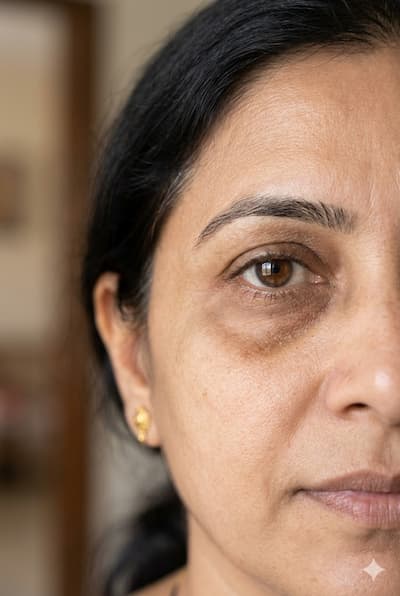
Dark circles are one of the most searched skin concerns in India — and one of the most stubborn, because most people treat them blindly. They reach for a "dark circle cream" without ever asking the only question that matters: what is actually making my under-eye look dark?
For Indian skin, the answer is rarely simple. Our melanin-rich skin is genetically prone to under-eye pigmentation; the skin there is the thinnest on the body, so blood vessels show through; fatigue, screens and iron deficiency deepen that; and the natural shape of the eye socket casts shadows. Four mechanisms — and they frequently overlap in the same face.
That's why a friend's "miracle" eye cream did nothing for you: it was built for a different cause. This guide breaks down all four, gives you a test to identify yours, and sets honest expectations for what each one can and can't fix.
⚡ The Four Types of Dark Circles — Quick Reference
| Type | Looks like | Mirror test result | What helps |
|---|---|---|---|
| Pigmentation (periorbital hyperpigmentation) | Brown / tan; runs in family; often since childhood | Stays brown when skin is stretched | Brightening actives + sunscreen (slow, real) |
| Vascular (visible vessels) | Blue / purple; worse when tired | Lightens / fades when skin is stretched | Sleep, iron, hydration, caffeine (temporary) |
| Structural (hollows / tear trough) | Shadow in a groove below the eye | Reduces when you tilt face up to light | Hydration, dermatology (fillers) — not creams |
| Puffiness (eye bags) | Swollen lower lid casting a shadow | Worse in morning / after salt & alcohol | Salt, sleep, allergies, cold compress |
Most Indians have a mix — usually pigmentation + vascular. Identify your dominant type to set realistic expectations.
First — The 60-Second Mirror Test
Before any treatment, find your type. Stand in good natural light with a mirror and do these two checks:
Test 1 — The stretch
Gently pull the skin just below your eye sideways (don't drag the delicate skin hard).
- Stays brown / unchanged → Pigmentation
- Lightens or disappears → Vascular (blue/purple vessels)
Test 2 — The light tilt
Tilt your face up toward the light and watch the darkness.
- Darkness reduces → Structural (shadow from a hollow/tear trough)
- Worse in the morning / after salty food → Puffiness (eye bags)
Type 1 — Pigmentation (The Most Common in Indian Skin)
This is the Indian dark-circle signature. Melanin-rich skin (Fitzpatrick IV–VI) is genetically prone to periorbital hyperpigmentation — the thin under-eye skin deposits excess pigment. It often runs in families, can appear in childhood, and looks distinctly brown. The same melanin behaviour that causes our stubborn post-inflammatory hyperpigmentation and dark spots shows up here too.
What genuinely helps pigmentation (over 2–4 months)
- Sunscreen — the single biggest factor. UV drives under-eye pigment; protect the area daily. See Sunscreen for Indian Skin.
- Vitamin C — brightens and inhibits excess melanin. See Vitamin C.
- Niacinamide — reduces pigment transfer, gentle on thin skin. See Niacinamide.
- Liquorice extract — a classic Ayurvedic brightener. See Liquorice for dark spots.
- Gentle retinoids — thicken thin skin & speed turnover, but go slow (irritation = more pigment). See Retinol for Indian Skin.
Type 2 — Vascular (Blue/Purple, Worse When Tired)
The under-eye skin is the thinnest on the body, so the network of blood vessels beneath shows through as a bluish-purple tint — especially when those vessels are dilated and pooling. This is the type that visibly worsens with poor sleep and improves when you're rested. Crucially, this is the type lifestyle can actually change.
What deepens vascular circles
- Poor / irregular sleep (dilates vessels, retains fluid)
- Iron deficiency — very common in Indian women; strongly linked to dark circles
- Dehydration, excess salt, alcohol
- Allergies / nasal congestion (allergic "shiners")
- Chronic screen strain & rubbing
What actually helps
- Consistent sleep — the highest-impact fix here
- Check & correct iron (ferritin) — see deficiency guide
- Hydration, less salt, treating allergies
- Caffeine eye products & cold compress (temporary vessel constriction)
- A skin-supporting diet — see Foods for Glowing Skin
💡 Not sure which type you have, or tried everything? Our skin expert assesses your under-eye and builds a targeted plan — free.
Book Free Skin Consultation →Types 3 & 4 — Structural Shadows & Puffiness
These two are not really "skin colour" problems at all — they're about light and shape, which is why creams disappoint here.
Home Remedies — The Honest Verdict
The internet is full of potato, cucumber and almond-oil cures. Here's the truth: home remedies help the vascular/puffiness component temporarily and do little for genuine pigmentation.
- Work (temporarily): cold compress, chilled spoons, cooled used green-tea bags — constrict vessels, reduce puffiness, fresher look. See green tea benefits.
- Harmless but limited: cucumber, raw potato, gentle almond oil — soothing, but little real effect on pigment.
- Avoid: lemon juice and harsh acids near the eye — irritation worsens Indian pigmentation. Never rub the delicate under-eye skin.
- Most underrated: daily sunscreen + good sleep + correcting iron. These beat every kitchen remedy combined.
The Routine That Supports Every Type
We won't pretend a face wash erases dark circles — that would be exactly the dishonesty this guide is fighting. But the foundation of any under-eye plan is the same: a gentle, barrier-respecting routine and diligent sun protection, so brightening actives can work and irritation (which worsens pigment) is avoided.
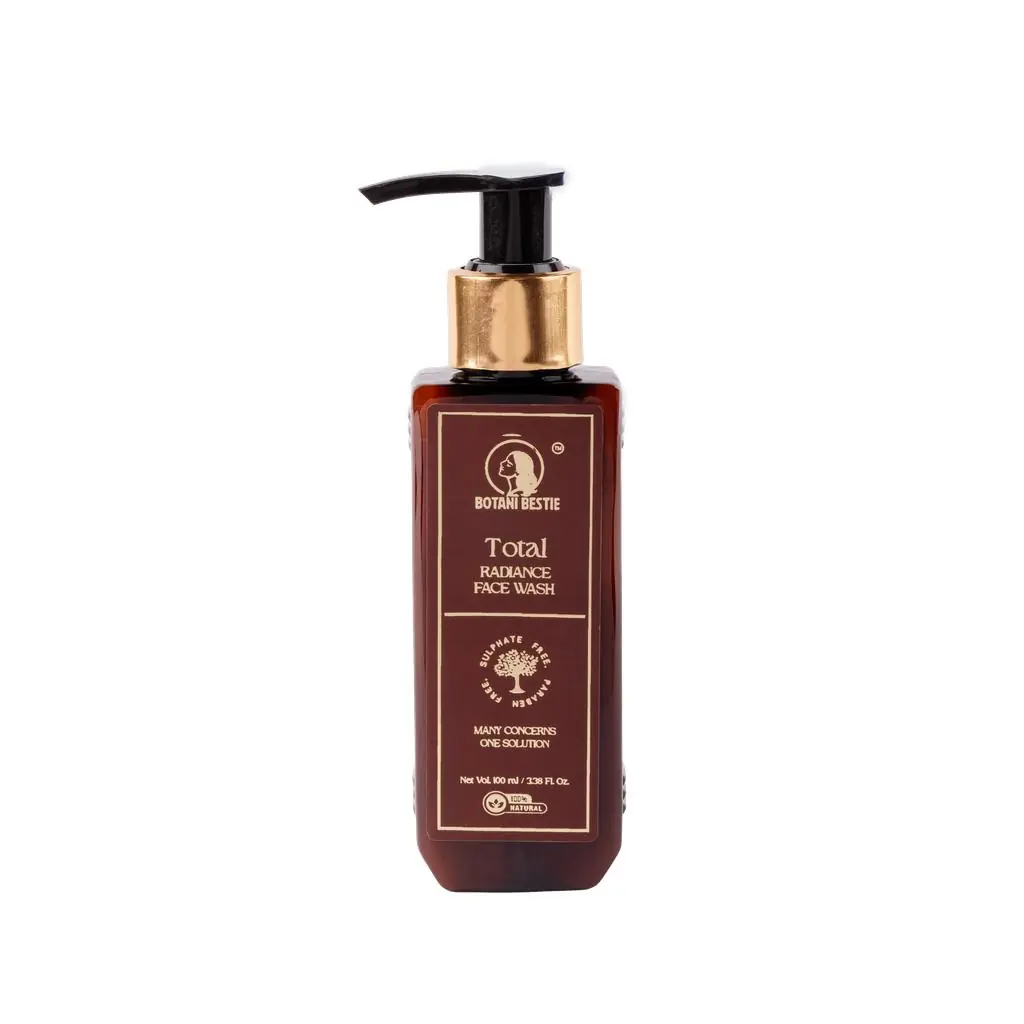
Total Radiance Face Wash
The Gentle Foundation — AM & PM
Pigment-type dark circles get worse with irritation, so the first rule is: cleanse gently and never strip the delicate eye area. Total Radiance clears the day without harsh surfactants, keeping the barrier intact so your brightening actives and sunscreen can do the slow, real work. Pair it with daily SPF over the under-eye, a Vitamin C / niacinamide routine for pigment, and the sleep-and-iron fixes for vascular circles.
Shop Total Radiance Face Wash →Get Your Dark Circles Properly Diagnosed
Pigment, vascular, structural or a mix? The treatment that works depends entirely on the answer. Our skin expert identifies your type, checks for fixable drivers like iron deficiency, and builds a realistic plan. No purchase required.
Book Free Skin Consultation → WhatsApp UsFrequently Asked Questions
The Bottom Line — Match the Fix to the Cause
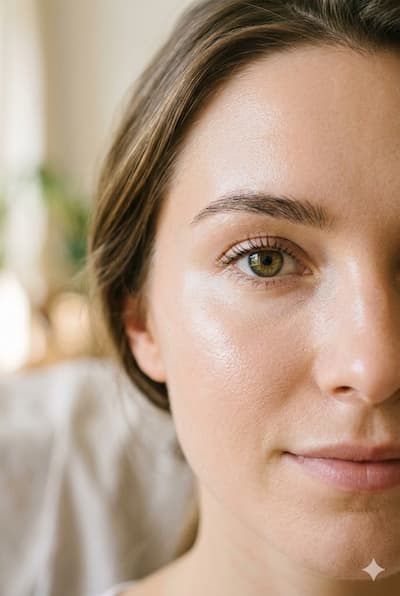
Dark circles feel impossible to treat mostly because people treat them blindly. Do the mirror test first. If it's pigment, commit to gentle brightening actives and sunscreen for a few months. If it's vascular, fix your sleep, hydration and iron — the gains can be quick. If it's structural or puffiness, be honest that creams won't reshape your face, and address what you can (salt, sleep, allergies) or consider dermatology.
Set realistic expectations, be patient with pigment, never irritate the delicate skin — and stop buying random creams for a problem you haven't diagnosed.
Diagnose My Dark Circles — Free Build Your Skin Routine"You can't fix what you haven't diagnosed. Four causes, four fixes — start with the mirror."
Ready to make the honest switch?
Our products are built on the same principles as every article we write — pure ingredients, real results, nothing to hide.
Explore Our Products