You shampoo regularly. You oil your hair before every wash. Your scalp still feels congested, greasy two days after washing, or perpetually itchy — and your hair isn't growing the way it should. The likely culprit isn't what you're missing from your routine. It's what's accumulating despite it.
Scalp build-up is the layering of dead skin cells, excess sebum, product residue, and mineral deposits at the follicle opening and along the scalp surface. Most people don't notice it building up until it's already affecting hair growth, causing persistent dandruff, or making hair feel permanently dull and weighed down.
In India, the problem is amplified by three factors: hard water in most major cities deposits calcium and magnesium directly onto the scalp with every wash; the cultural practice of heavy pre-wash oiling — while beneficial in moderation — creates a thick lipid layer that traps dead skin; and the heat and humidity that accelerate sebum production throughout the year. Understanding what's building up and how to clear it safely is the foundation of a healthy scalp care routine.
What Scalp Build-Up Actually Is
Build-up is not a single substance — it's a composite of several different materials that accumulate at different rates depending on your hair routine, water quality, and scalp physiology. Understanding each type helps you target your detox correctly.
Silicone & Polymer Build-Up
Source: Shampoos, conditioners, serums, and heat protectants containing dimethicone, cyclomethicone, amodimethicone, or polyquaternium compounds.
What it does: Creates a waterproof film on hair and scalp. Initial application makes hair feel smooth; over time the layers stack, suffocating the follicle and preventing moisture absorption.
Clears with: Sulfate-based or micellar clarifying shampoo (regular SLS-free shampoo cannot break the silicone film).
Mineral Oil & Petrolatum Build-Up
Source: Many mass-market Indian hair oils, Brahmi oils, and conditioning products use mineral oil (paraffinum liquidum) as the base — it's cheap and visually glossy.
What it does: Coats the scalp as an occlusive layer that doesn't absorb and doesn't wash out easily with mild shampoos. It traps dead skin cells and sebum beneath it.
Clears with: A pre-poo oil massage with a light penetrating oil (coconut, sesame) followed by a clarifying shampoo used twice consecutively.
Hard Water Mineral Deposits
Source: Delhi, Bengaluru, Chennai, Jaipur, Ahmedabad, and most Indian metro areas have hard water (TDS >300 ppm) with high calcium and magnesium content.
What it does: Minerals bind to the negatively charged hair shaft, forming a rough chalky layer. On the scalp, they alter the pH and reduce shampoo lather, requiring more product — which adds its own residue.
Clears with: Chelating shampoo containing EDTA (ethylenediaminetetraacetic acid) or citric acid, which chemically binds and lifts calcium/magnesium ions.
Dead Skin & Sebum Accumulation
Source: The scalp naturally sheds 30,000–40,000 cells per hour. Excess sebum production (common in India's heat) glues these cells together at the follicle opening.
What it does: Forms a scalp plug — a soft, waxy material at the follicle mouth. As the plug hardens, it narrows the channel through which the hair exits, increasing breakage at the root.
Clears with: Gentle scalp exfoliation (physical or chemical with salicylic acid) + regular washing with a balanced, non-stripping shampoo.
Dry Shampoo & Starch Residue
Source: Dry shampoos use rice starch, tapioca starch, or silica to absorb sebum. These particles accumulate between washes, particularly in the parietal zone (sides and top of head).
What it does: Starch particles absorb sebum but remain on the scalp unless specifically washed off. Over several applications, the layer thickens and clogs pores.
Clears with: A regular wash with adequate mechanical agitation (fingertip massage during shampooing).
Heavy Oil Residue (India-Specific)
Source: The Indian tradition of pre-wash hair oiling — coconut, castor, amla, bhringraj oils applied heavily and left for hours or overnight.
What it does: One or two rounds of oiling followed by inadequate shampooing (a common error) leaves behind a lipid layer that mixes with sweat, dust, and pollution to form a sticky film.
Clears with: Apply shampoo to dry hair before wetting (the "dry shampooing" trick), massage, then rinse — this lifts oil far more efficiently than shampoo on wet, diluted hair.
Signs Your Scalp Has Build-Up
Most people attribute these symptoms to the wrong cause — dandruff treatment, oil changes, different shampoos — without addressing the underlying accumulation. If multiple of these apply, a detox is overdue:
| Symptom | Why Build-Up Causes It | Often Misdiagnosed As |
|---|---|---|
| Scalp feels greasy 1–2 days after washing | Sebum cannot move freely through a clogged follicle opening; it pools at the surface faster | Oily scalp type (inherent) |
| Hair feels heavy and lacks volume | Residue weighs the hair shaft down and prevents it from lifting at the root | Fine hair / genetic issue |
| Shampoo lathers poorly | Hard water minerals or silicone films prevent surfactant molecules from reaching the scalp | Shampoo quality / hard water (treated by buying a filter, not clarifying) |
| Persistent itching without visible flakes | Blocked follicles create localised inflammation; sebum trapped under build-up becomes oxidised and irritating | Dry scalp / sensitivity |
| Dandruff that doesn't respond to anti-dandruff shampoo | Anti-dandruff actives (zinc pyrithione, ketoconazole) cannot penetrate to the follicle level through a thick build-up layer | Treatment-resistant dandruff |
| Increased hair fall despite a healthy diet | Follicle plugging creates mechanical resistance; hair breaks at the narrowed exit point rather than completing its natural cycle | Nutritional deficiency / stress |
| Visible white or yellowish crust at roots | Dried sebum + dead skin + product residue consolidating as a visible scalp crust | Dandruff or psoriasis |
The Step-by-Step Scalp Detox Protocol
Designed for Indian hair types, hard water conditions, and a heavy-oiling culture. Complete this sequence once every 4–6 weeks.
Pre-Detox Light Oil Massage (30 minutes before washing)
Apply a light penetrating oil — coconut or sesame — to the scalp in small sections. Massage gently with your fingertips for 5 minutes using circular motions. Leave for 30 minutes (do not leave overnight).
Why: Light oils with small molecular weight penetrate the build-up layer and begin emulsifying the lipid components (mineral oil residue, dried sebum) from the inside, making them easier to lift. The massage mechanically loosens the scalp plug at the follicle opening.
Apply Shampoo to Dry Hair First
Before wetting your hair, apply your clarifying or anti-build-up shampoo directly to dry scalp. Work it in with your fingertips. Wait 2 minutes. Then wet your hair with lukewarm water and lather.
Why: Surfactant molecules are most effective at their undiluted concentration. Applying shampoo to wet hair immediately dilutes its lifting power by 60–80%. Dry application lets the shampoo work at full strength on the oil and residue layer before rinsing begins.
Double Shampoo with Adequate Massage
Shampoo twice. First wash: focus entirely on the scalp. Use your fingertips (not nails) to massage in small circles covering all zones — nape, crown, temples, and behind the ears. Rinse thoroughly. Second wash: lighter application, cover the scalp again, rinse completely.
Why: The first shampoo lifts the outer layer; the second reaches the follicle level. Most people only shampoo once, which is insufficient to clear heavy build-up. Mechanical action (fingertip massage) is as important as the chemistry — it physically dislodges the scalp plug.
Optional: Diluted ACV Rinse for Hard Water Residue
Mix 1 part apple cider vinegar with 4–5 parts water. Pour over the scalp after the final shampoo rinse. Massage lightly. Wait 2 minutes. Rinse with cool water.
Why: ACV's acetic acid (pH ~3) chelates calcium and magnesium ions left by hard water, which a regular shampoo cannot remove. It also briefly restores the scalp's acid mantle (natural pH 4.5–5.5) that alkaline shampoos can temporarily disrupt. Use only on detox days — regular use can over-acidify the scalp.
Cool Water Final Rinse
End with the coolest water you can tolerate — at minimum lukewarm. Hot water causes sebaceous glands to produce more sebum as an immediate compensatory response.
Why: Cool water closes the cuticle (the hair's outer scale layer), reducing moisture loss and making the hair shaft smoother. It also contracts the sebaceous gland opening slightly, slowing re-accumulation in the days following your detox.
Post-Detox: Microbiome Restoration (That Evening)
Apply 2–3 drops of a herbal hair oil rich in antimicrobial botanicals — neem, tea tree, rosemary, or bhringraj — to the scalp only. Do not shampoo out. Leave overnight.
Why: A thorough detox temporarily disrupts the scalp's resident microbiome — the community of beneficial bacteria and fungi that compete with pathogenic species. A targeted botanical oil helps reseed the environment with antimicrobial compounds that selectively suppress Malassezia (dandruff-associated fungus) while supporting the balanced microbiome. The Total Restore Hair Oil contains bhringraj and neem extracts suited for this role.
How Often Should You Detox?
Detoxing too frequently is as counterproductive as not detoxing at all — it strips the scalp's protective acid mantle and triggers compensatory sebum overproduction. The right frequency depends on your specific build-up pattern:
| Profile | Recommended Frequency | Primary Build-Up Type |
|---|---|---|
| Minimal product use, soft water, 2–3 washes/week | Every 6–8 weeks | Dead skin + sebum only |
| Regular oiling (1–2x/week), hard water city | Every 4–5 weeks | Oil residue + mineral deposits |
| Heavy styling products, silicone-containing conditioners | Every 3–4 weeks | Silicone + polymer accumulation |
| Daily commute (pollution), sweats heavily, uses dry shampoo | Every 3–4 weeks | Particulate + starch + sebum |
| Dandruff-prone scalp in humid climate | Every 2–3 weeks (gentle only) | Malassezia substrate (dead skin + sebum) |
Common Scalp Detox Mistakes
Clarifying shampoos with high sulfate content strip the scalp's sebaceous film and damage the acid mantle when used too frequently. The result is a raw, reactive scalp that overproduces sebum to compensate — making build-up return faster, not slower. Reserve clarifying shampoos for detox days only. On regular wash days, use a gentle, pH-balanced shampoo.
Fingernail scrubbing creates micro-tears on the scalp surface. These tears are invisible but immediately disrupt the skin barrier, allow pathogenic bacteria entry, and trigger an inflammatory response that accelerates cell turnover — ironically producing more dead skin than you cleared. Use only the soft pads of your fingertips. The pressure should feel like a gentle massage, not a scrape.
If your scalp has active wounds, sores, open folliculitis pustules, or is acutely inflamed (severe seborrheic dermatitis flare), a detox will worsen the condition. Clarifying shampoos and ACV are chemical irritants in this context. Treat the acute condition with a prescribed topical first. Detox only when the scalp is calm.
A thorough clarifying wash removes protective lipids from the hair shaft as well as from the scalp. If you skip conditioner, the hair cuticle (outer scale layer) will be raised — rough, frizzy, and prone to mechanical breakage. Apply conditioner to your lengths and ends (never to the scalp) after your final detox shampoo rinse.
Applying castor oil or a heavy, occlusive oil blend directly after a detox defeats its purpose — the clean, open follicle immediately gets coated again. The post-detox window (first 6–8 hours) is the most valuable time for the scalp to breathe and for lightweight actives to penetrate. If you oil post-detox, use 2–3 drops of a light botanical oil worked through the scalp gently — not a heavy application.
Scalp detox removes the physical obstruction to healthy hair growth — it does not treat the underlying causes of hair fall (hormonal, nutritional, autoimmune, or genetic). After a thorough detox, you will likely notice more hair coming out during the first wash — this is the accumulated shed hair that was trapped by build-up, not new hair fall. Sustained hair fall after detox needs investigation beyond the scalp's surface.
What to Use for Your Regular Wash Days After Detox
A successful detox resets the scalp to a clean baseline. What you use on regular wash days determines how quickly build-up returns. The goal is a shampoo that cleans effectively without stripping — and without adding its own residue through silicones or heavy film-formers.
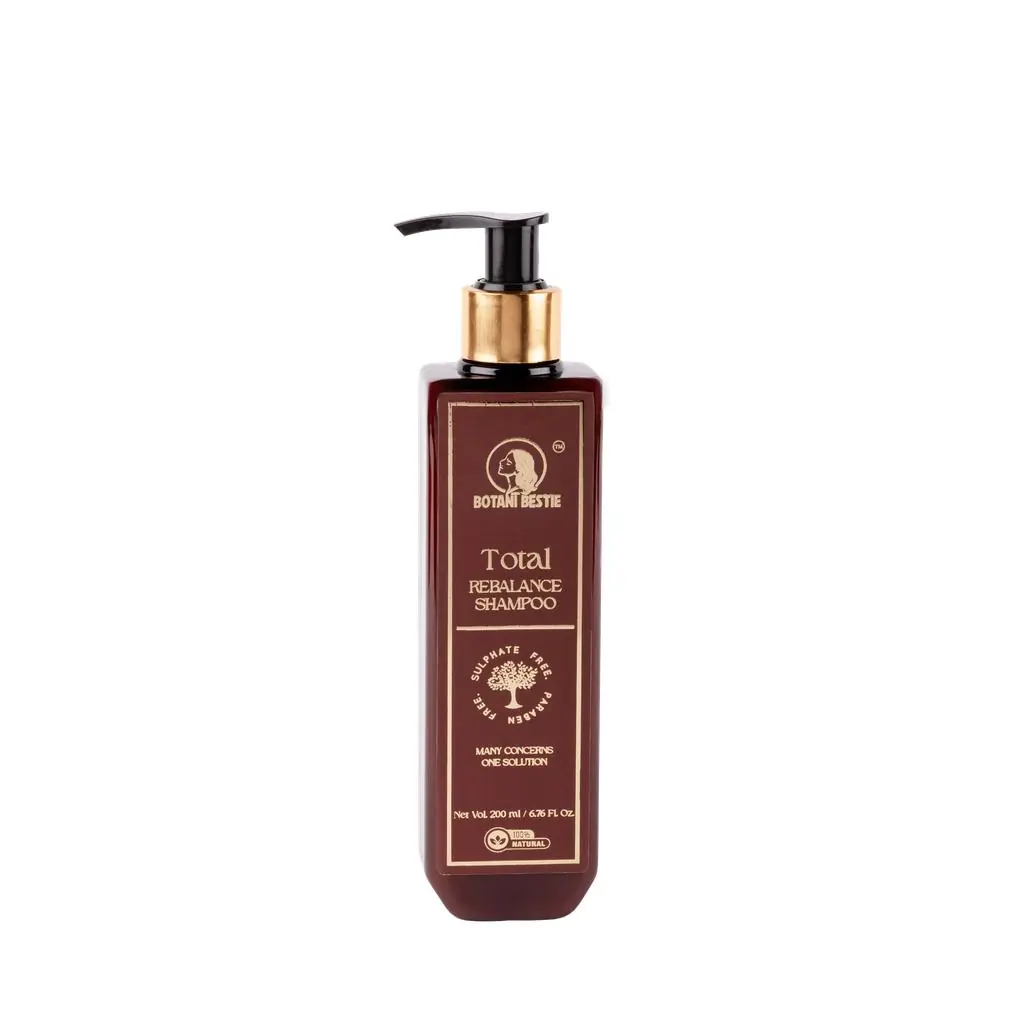
Total Rebalance Shampoo
Formulated without silicones, mineral oil, or sulfates — so it cleans without depositing the materials that cause build-up in the first place. Contains Zinc PCA for sebum regulation, Green Tea polyphenols for scalp antioxidant protection, and Neem extract for antimicrobial balance. Piroctone Olamine keeps the post-detox microbiome balanced between wash days.
View Total Rebalance Shampoo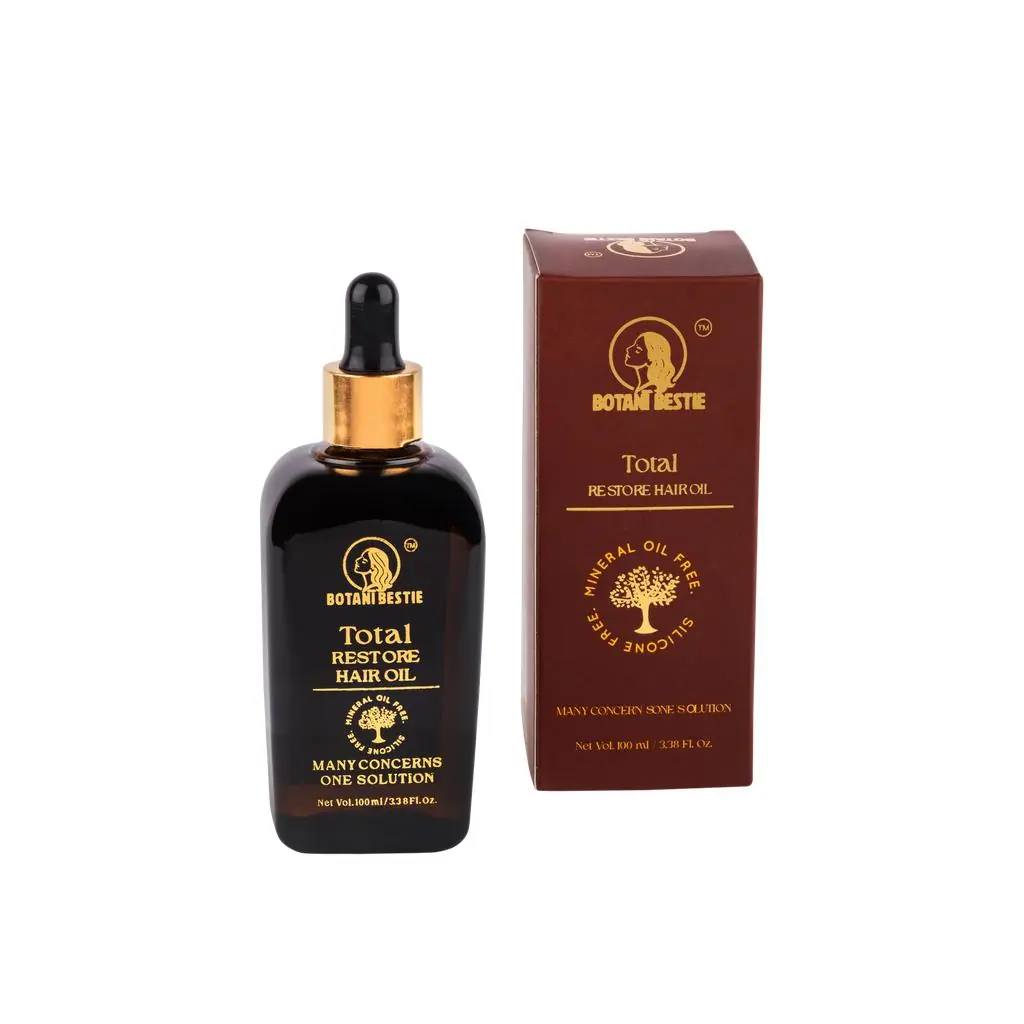
Total Restore Hair Oil
The post-detox microbiome restoration step works best with a botanical oil that supports scalp balance rather than a heavy occlusive. Total Restore contains Bhringraj to stimulate the Wnt/β-catenin growth pathway in newly cleared follicles, Brahmi for adaptogenic scalp support, and Neem for anti-Malassezia activity — all in a penetrating base of sesame and coconut oil without mineral oil or paraffin.
View Total Restore Hair OilThe Scalp Microbiome: Why Detox Needs a Restore Step
Your scalp hosts roughly 1.5 million microorganisms per cm² — primarily bacteria (Cutibacterium acnes, Staphylococcus epidermidis) and fungi (Malassezia species). This community is not passive: it competes for space and nutrients, produces antimicrobial compounds, and collectively maintains the scalp's acid mantle at pH 4.5–5.5.
A thorough detox disrupts this balance temporarily by removing the substrate layer (sebum, dead skin) that the microbiome lives within. If you simply leave the clean scalp exposed, two outcomes are common in India's climate:
Without a Restore Step
- Commensal bacteria repopulate slowly over 48–72 hours
- Malassezia — which is hardier and faster — colonises the clean surface first
- Dandruff can worsen in the week after a harsh clarifying wash
- Sebaceous glands compensate for the stripped acid mantle by overproducing sebum
With a Botanical Restore Step
- Neem, tea tree, and rosemary create a selectively antimicrobial environment
- Malassezia is suppressed while commensal bacteria face less competition
- The scalp pH is maintained by mild acidic botanicals (amla, ACV residue)
- Hair growth actives access cleared follicles at peak receptivity
The restore step is not a complex process — 2–3 drops of a botanical hair oil massaged into the scalp and left overnight achieves this. The key is applying it after detox, not instead of detox.
Ready to make the honest switch?
Our products are built on the same principles as every article we write — pure ingredients, real results, nothing to hide.
Explore Our Products